Journey to Fukushima
Record as a Proxy
December 2021 — Minamisoma & Namie, Fukushima
Why Did Yuichi Ishii
Go to Fukushima?
Playwright Nils-Momme Stockmann was deeply shaken by the 2011 Fukushima Daiichi nuclear disaster. In 2012, his first visit. He walked through areas where radiation levels remained high and listened to residents of the difficult-to-return zones. In 2016, his second visit. He recorded the changes in the disaster area after five years — both signs of recovery and unchanged suffering.
In 2021, Stockmann planned a third visit to Fukushima. This time he intended to visit with actors, engage in direct dialogue with local people, and reflect that in a stage production. But COVID stopped everything. Travel from Germany to Japan became impossible.
Unable to travel, Stockmann had an idea. He contacted Family Romance, which he knew from Herzog's film, and asked Yuichi Ishii to serve as his 'proxy.' Repurposing the rental family business model as an artistic production methodology — an unprecedented attempt.
The human rental service became an artistic methodology. The business of 'going in someone's place' transformed into the artistic act of 'seeing in someone's place,' 'hearing in someone's place,' 'feeling in someone's place.'
This request contained a deep irony. Stockmann himself couldn't go to Fukushima, so he asked a rental family agent to go as his proxy — like the 'invisible' effects of the nuclear disaster, it was an act that blurred the boundary between absence and presence. And for Ishii, it was an extension of his daily work — standing before someone, listening to someone's story, in someone else's place.
Stockmann's Fukushima Visits
2012
First visit. Walked through high-radiation areas and listened to residents of difficult-to-return zones
2016
Second visit. Recorded 5 years of change — signs of recovery and unchanged suffering
2021
COVID prevented travel. Asked Yuichi Ishii to serve as 'proxy'
From Tokyo to Fukushima
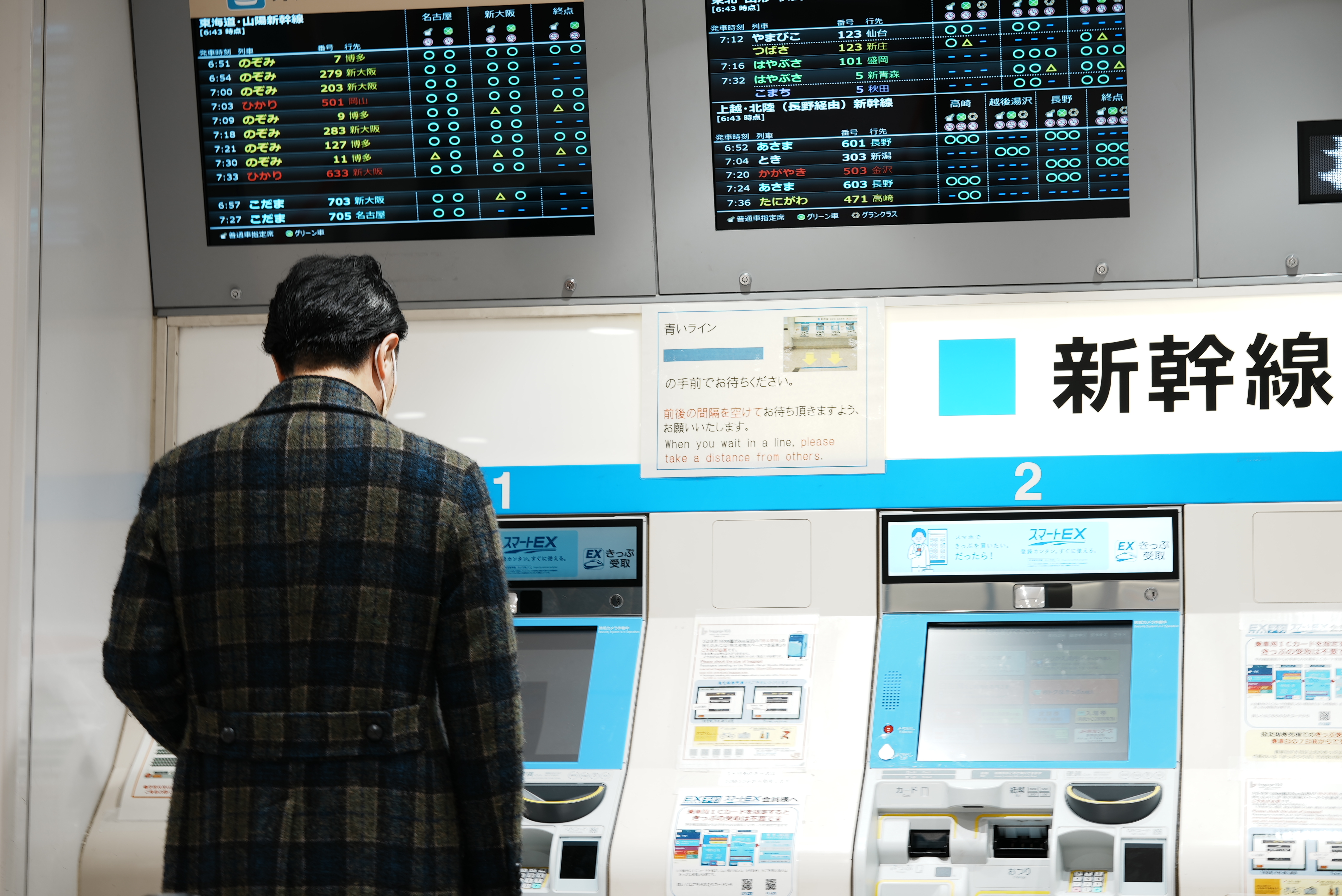
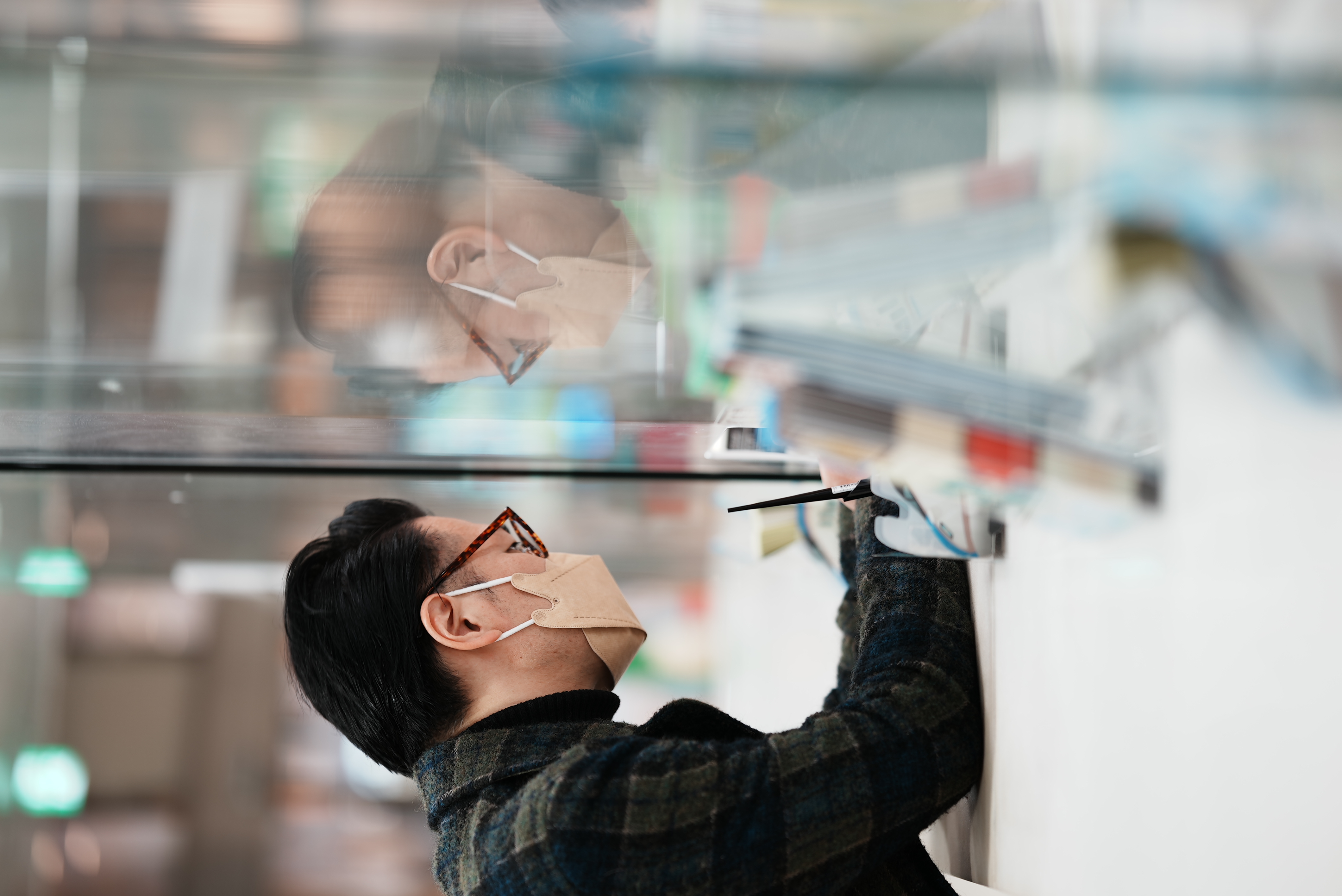
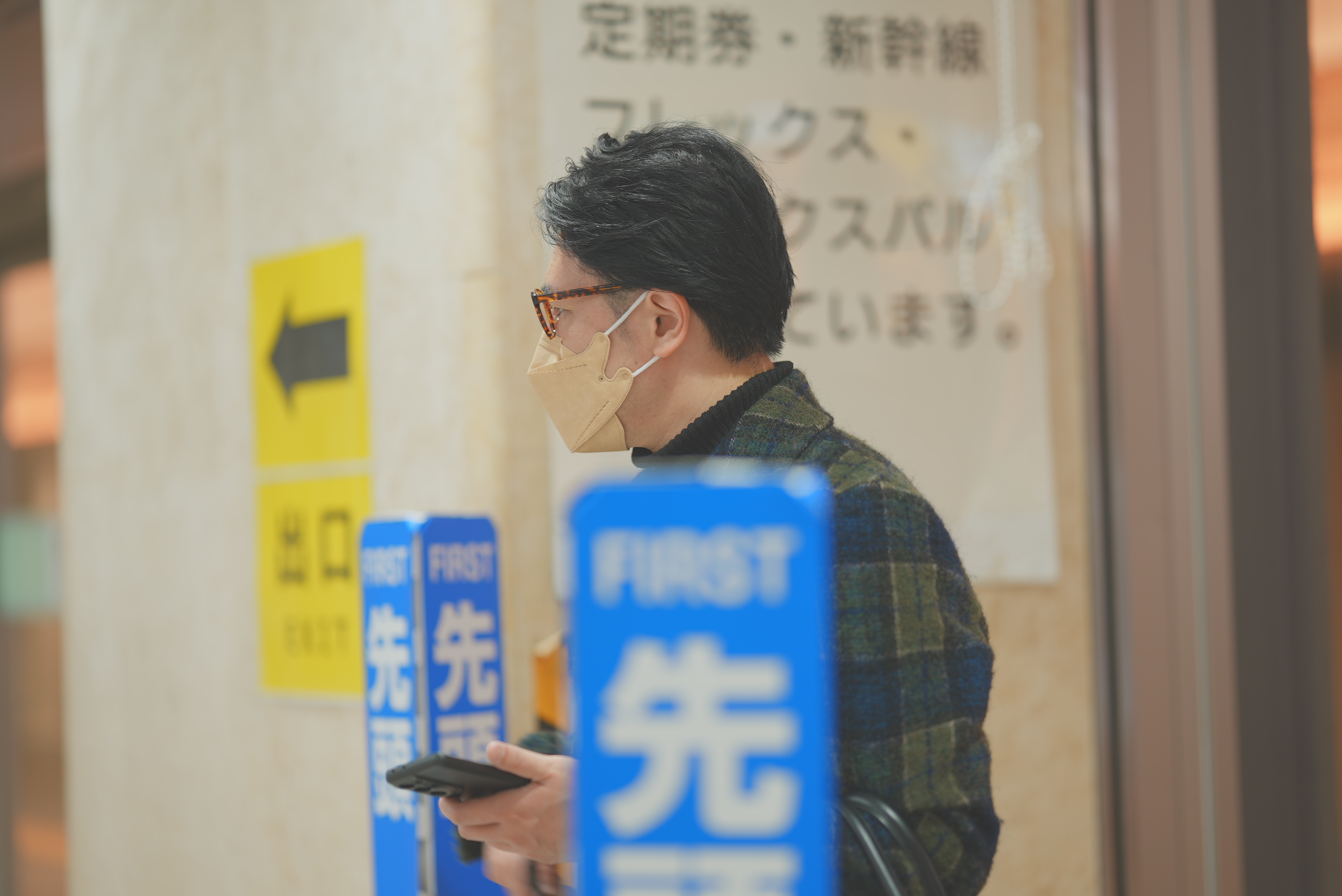
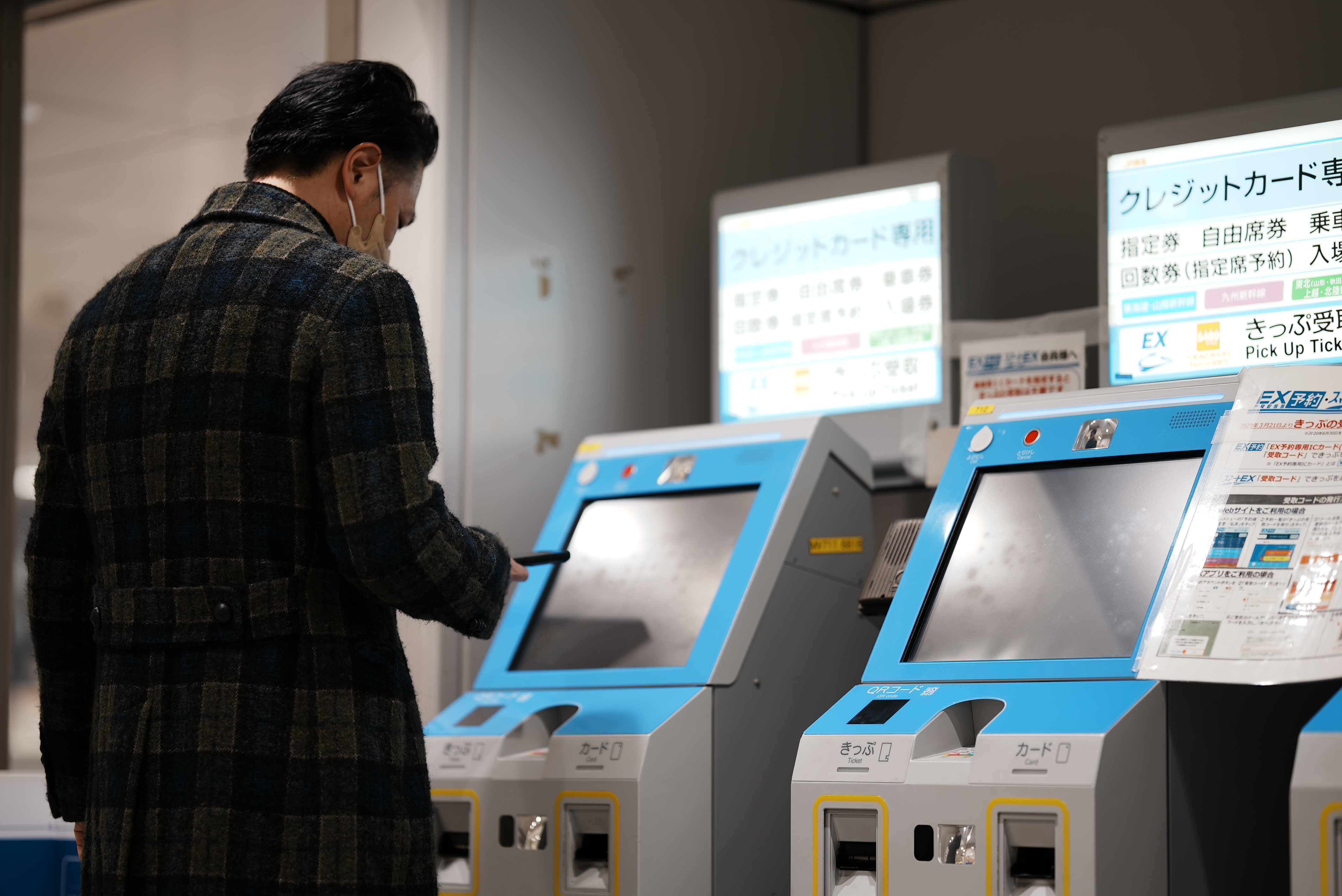
Yuichi Ishii purchasing a ticket to Fukushima at the bullet train ticket machine
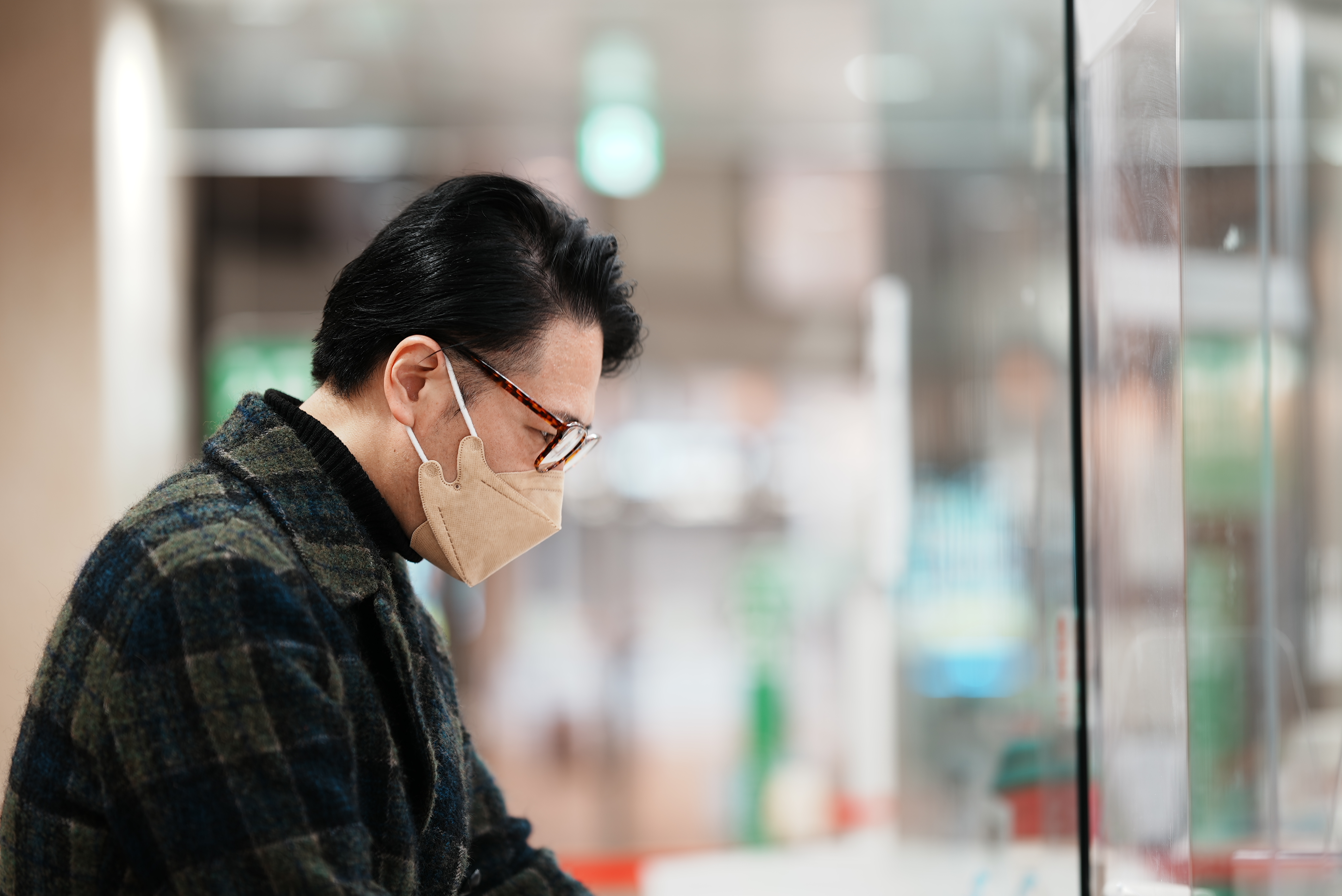
In December 2021, Yuichi Ishii boarded a bullet train at Tokyo Station. Destination: Fukushima. As a German playwright's 'proxy' — but this was fundamentally different from any 'proxy' work Ishii had done before.
In rental family work, Ishii plays 'someone's father,' 'someone's husband,' 'someone's friend.' But this time, he was a proxy for the playwright's 'eyes' and 'ears.' Seeing the landscapes of the disaster area, hearing the voices of residents, and delivering all of it to Germany — Ishii's body would become Stockmann's sensory organs.
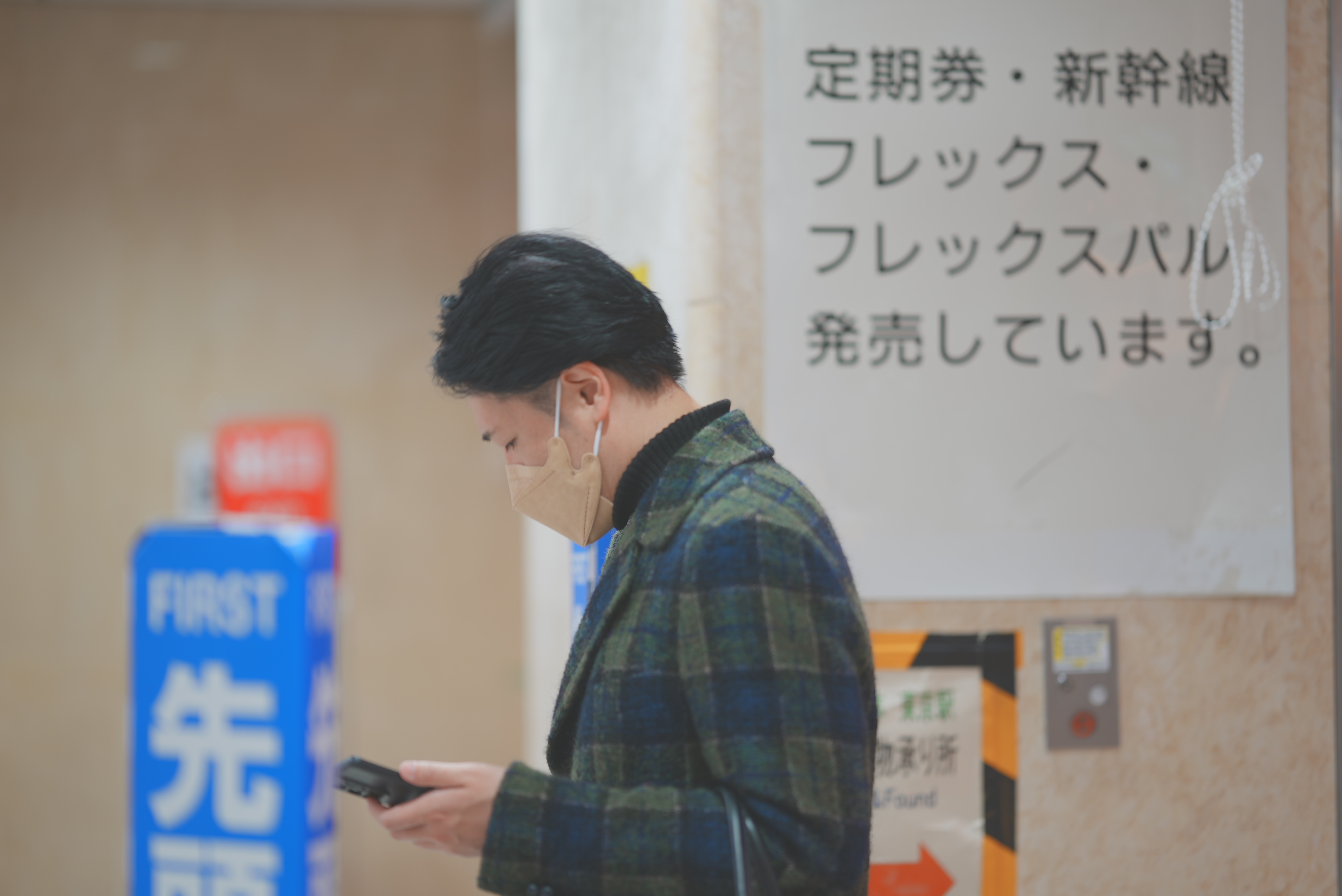
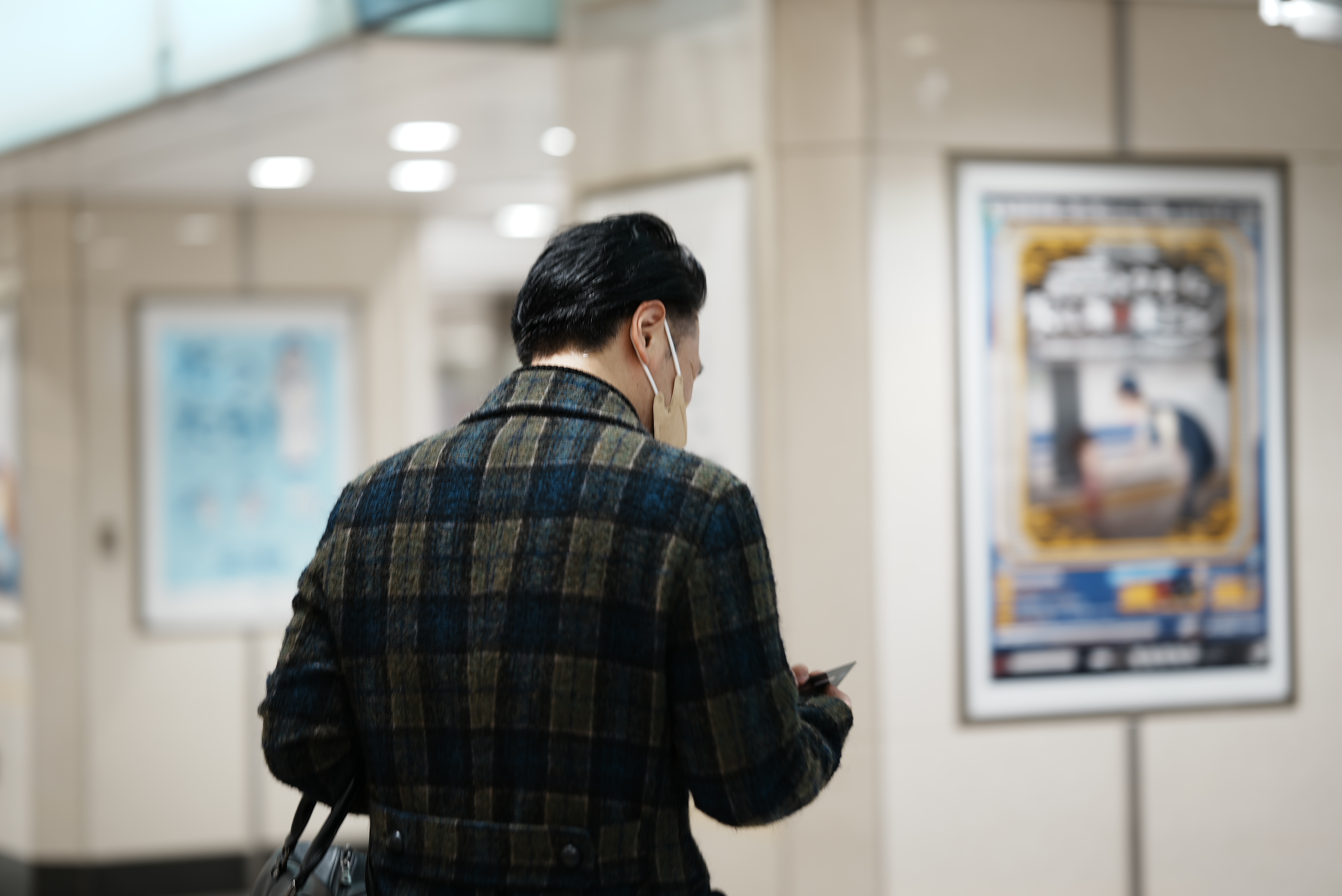
Ishii walking through the station. Beyond his masked gaze, the disaster area awaited
The landscape visible from the bullet train window changed as they moved farther from Tokyo. City gave way to countryside, countryside to wasteland — Ishii felt the weight of heading to a disaster zone in someone else's place, amid the rocking of the train.
Standing in a disaster area in someone's place. The very act of being a 'substitute' was the core of this stage production.
Where People Once Lived
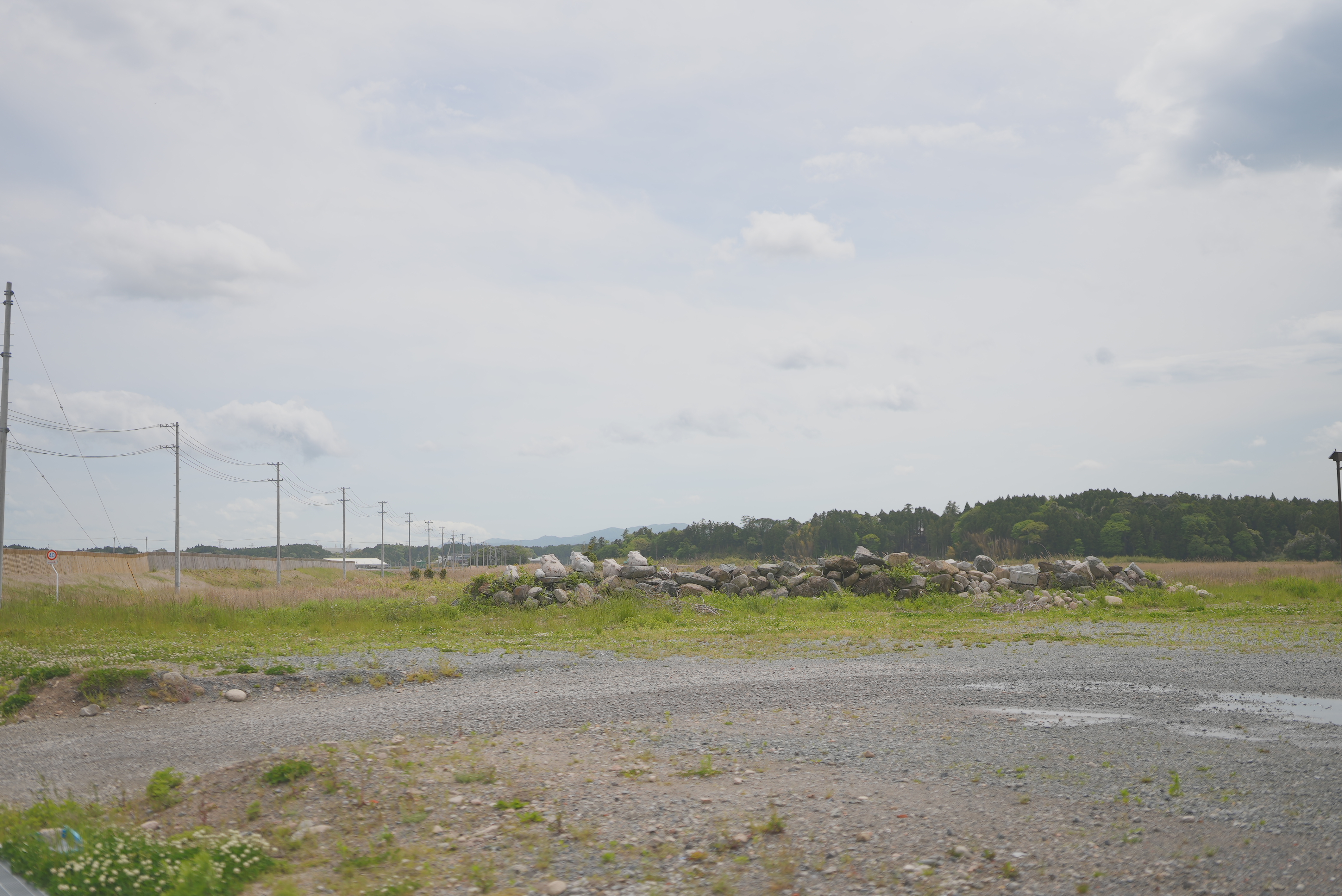
What Ishii saw was a world where 10 years of time had frozen. Broken televisions, collapsed staircases, warped window frames — places that were once part of people's daily lives had been forever changed by the tsunami and nuclear disaster. Only silence spoke of the fact that this place had once been alive.
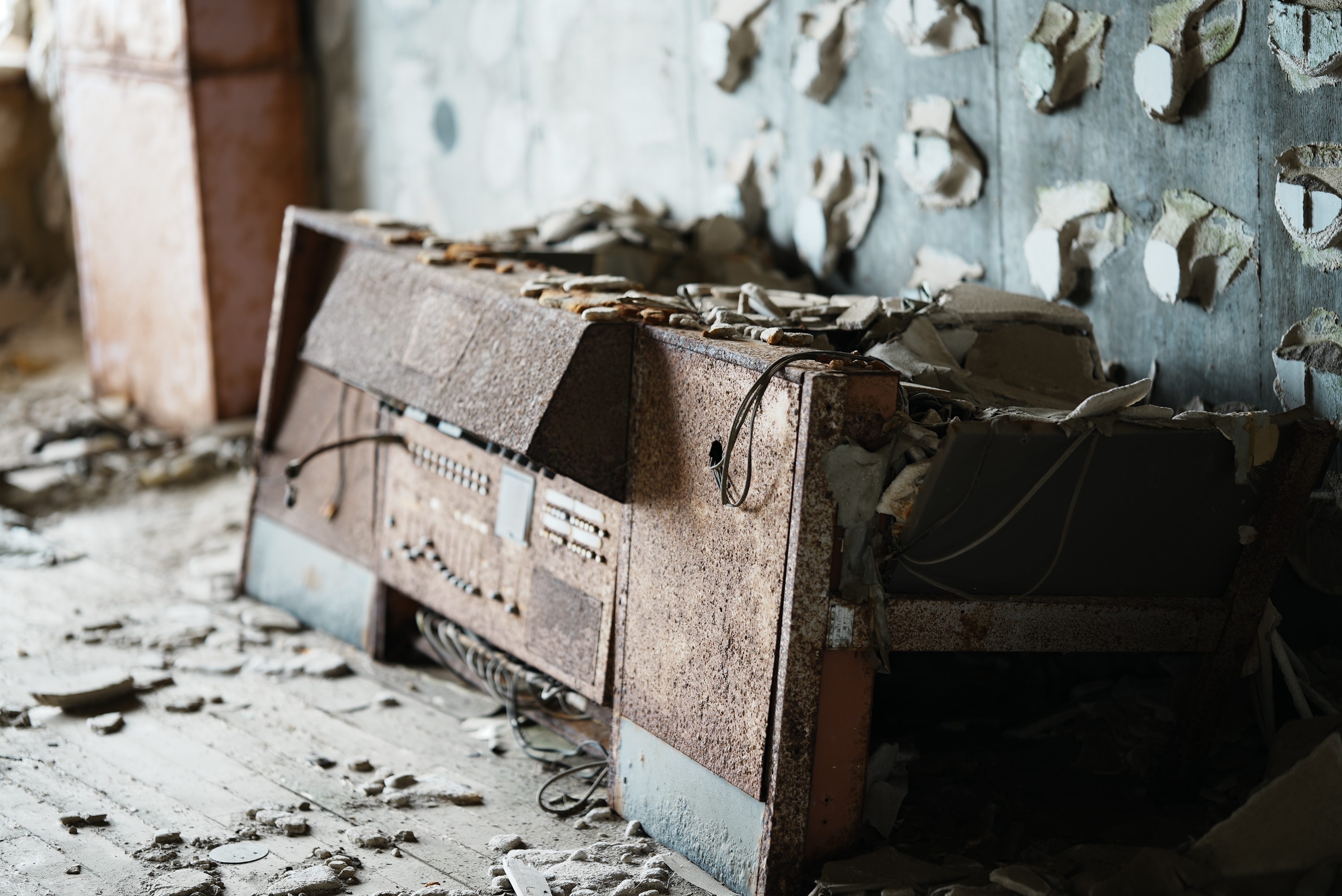
Ten years since the nuclear disaster. Buildings in the difficult-to-return zones continued to decay, frozen in time. Debris had piled on staircases, window frames were warped by the force of the tsunami, and steel beams lay exposed. Radiation is invisible. Yet this 'invisible force' had changed everything about this place.
Ishii filmed with a video camera, recording this place on behalf of Stockmann. The 'power of observation' he had cultivated as a rental family member — the ability to read clients' expressions and sense the atmosphere — here became the ability to read the silence of the disaster zone.
The silence was eloquent. Broken televisions, warped window frames, collapsed walls — everything spoke of the traces of the "invisible reactor."
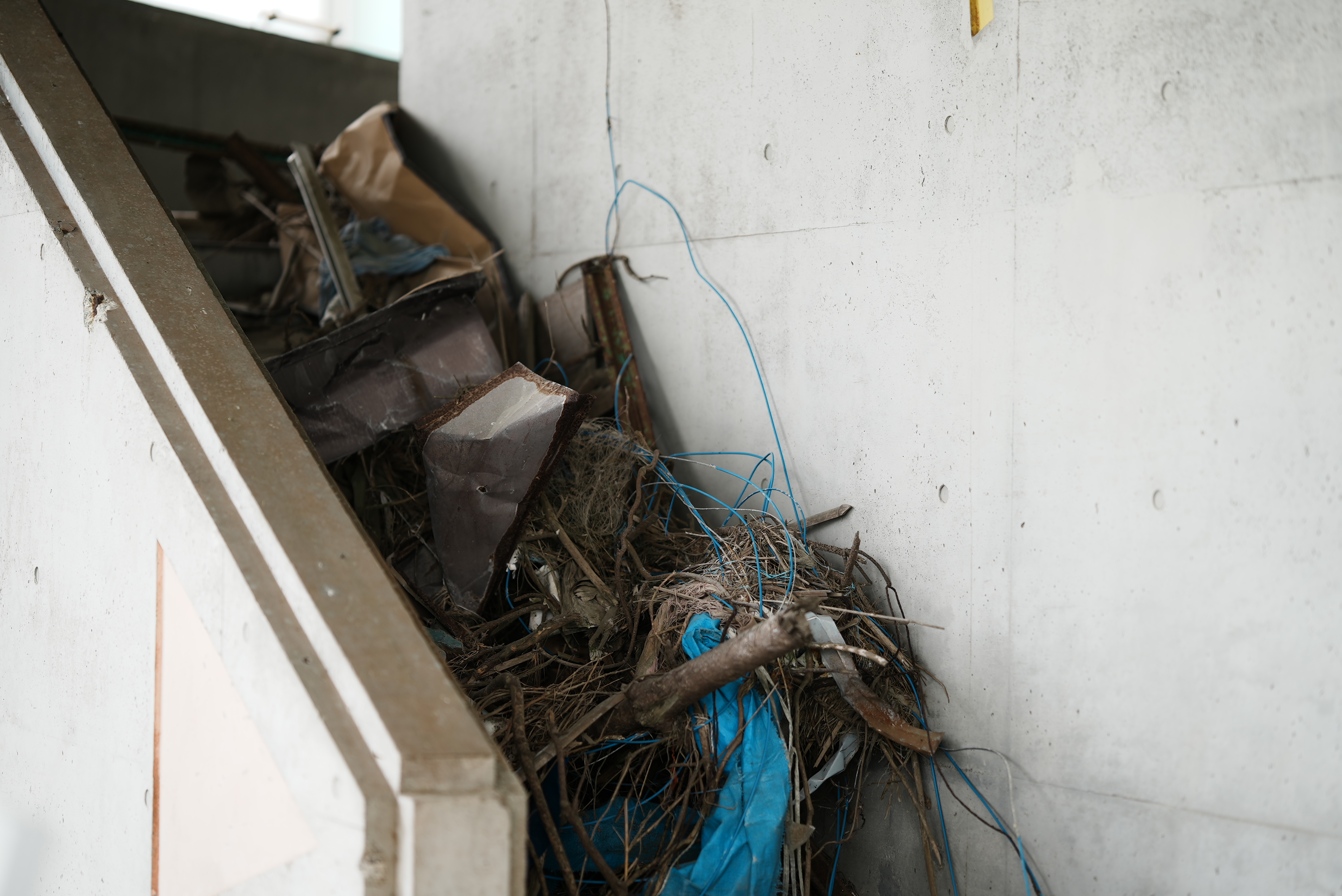
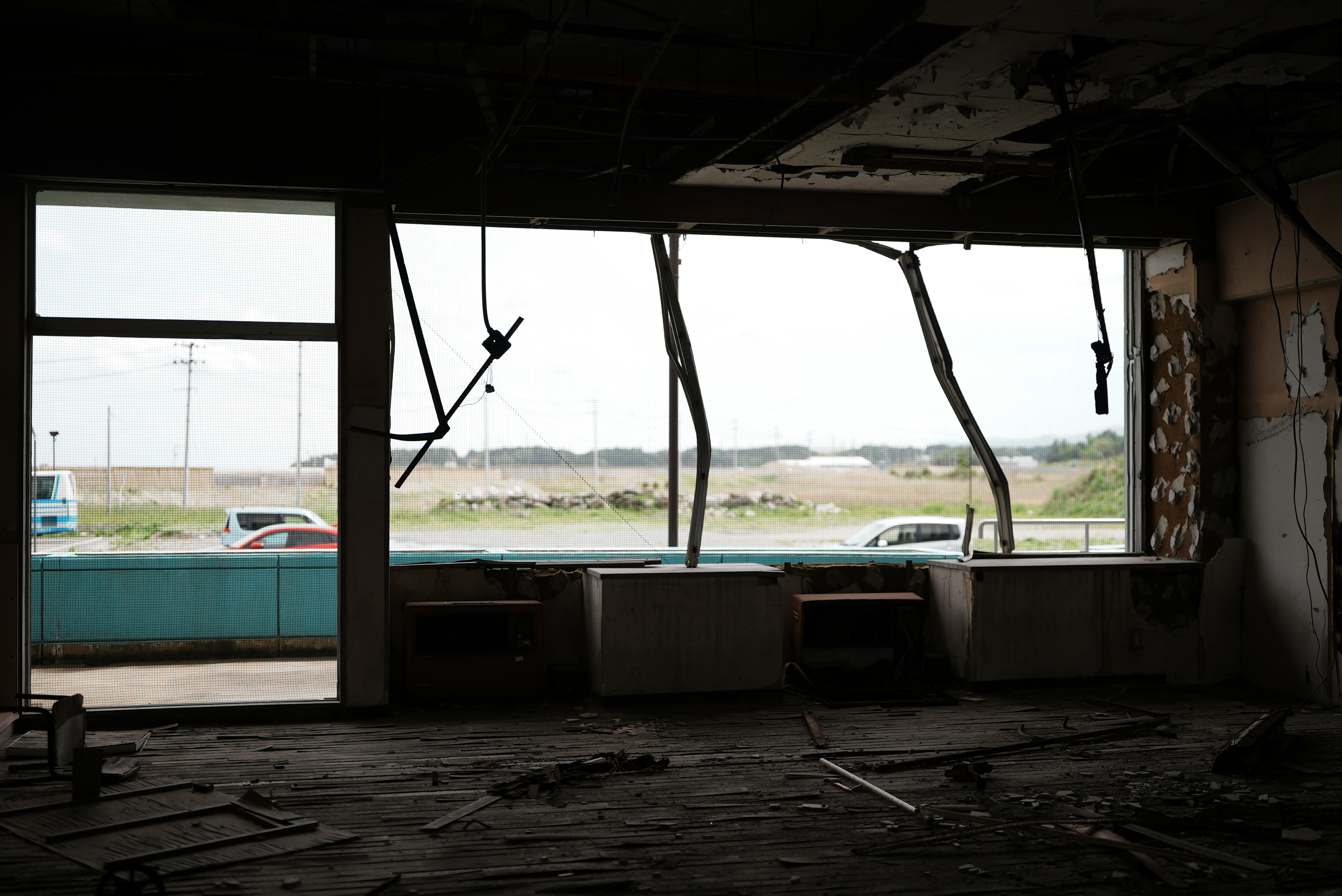
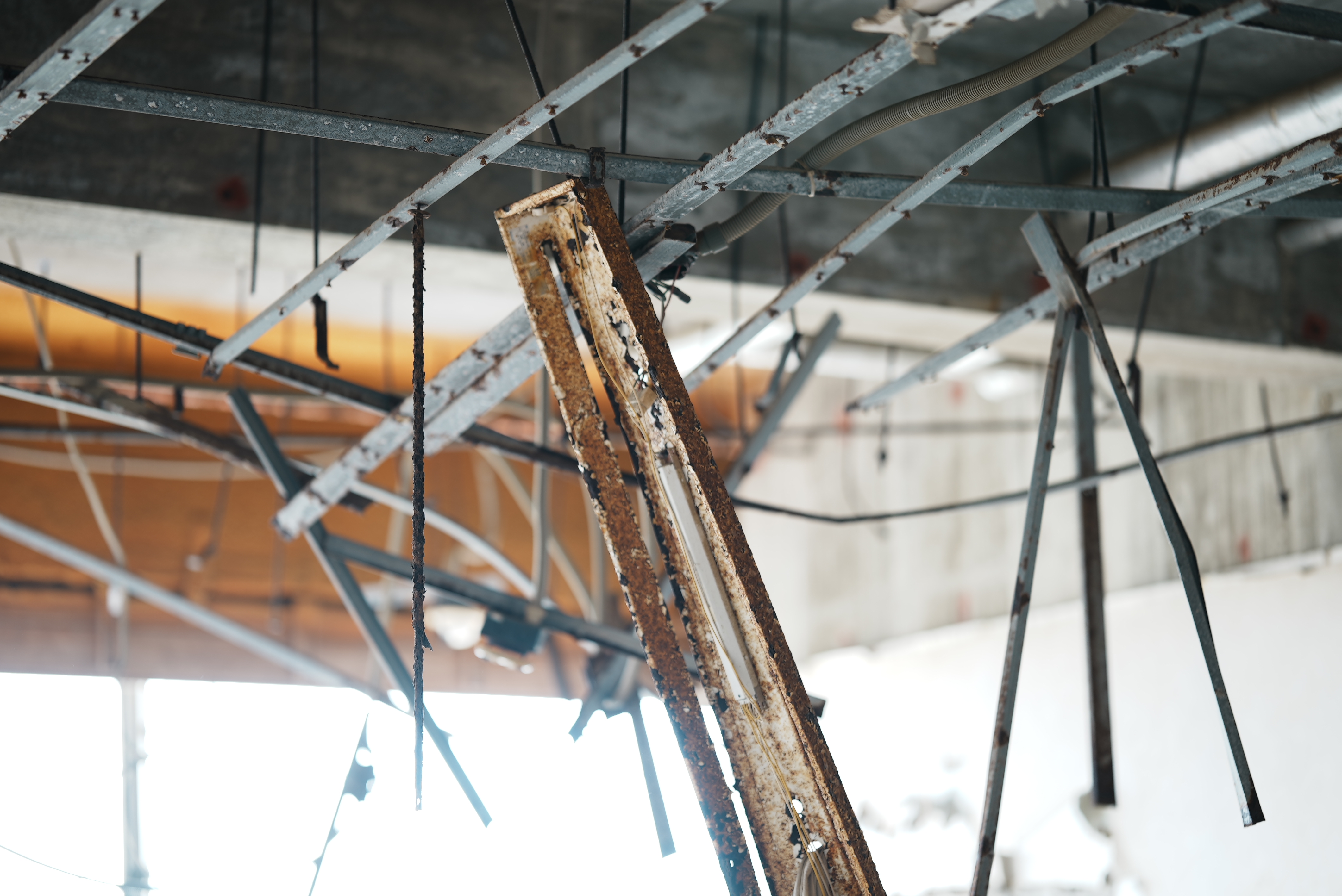
Photographed in Minamisoma and Namie, Fukushima Prefecture
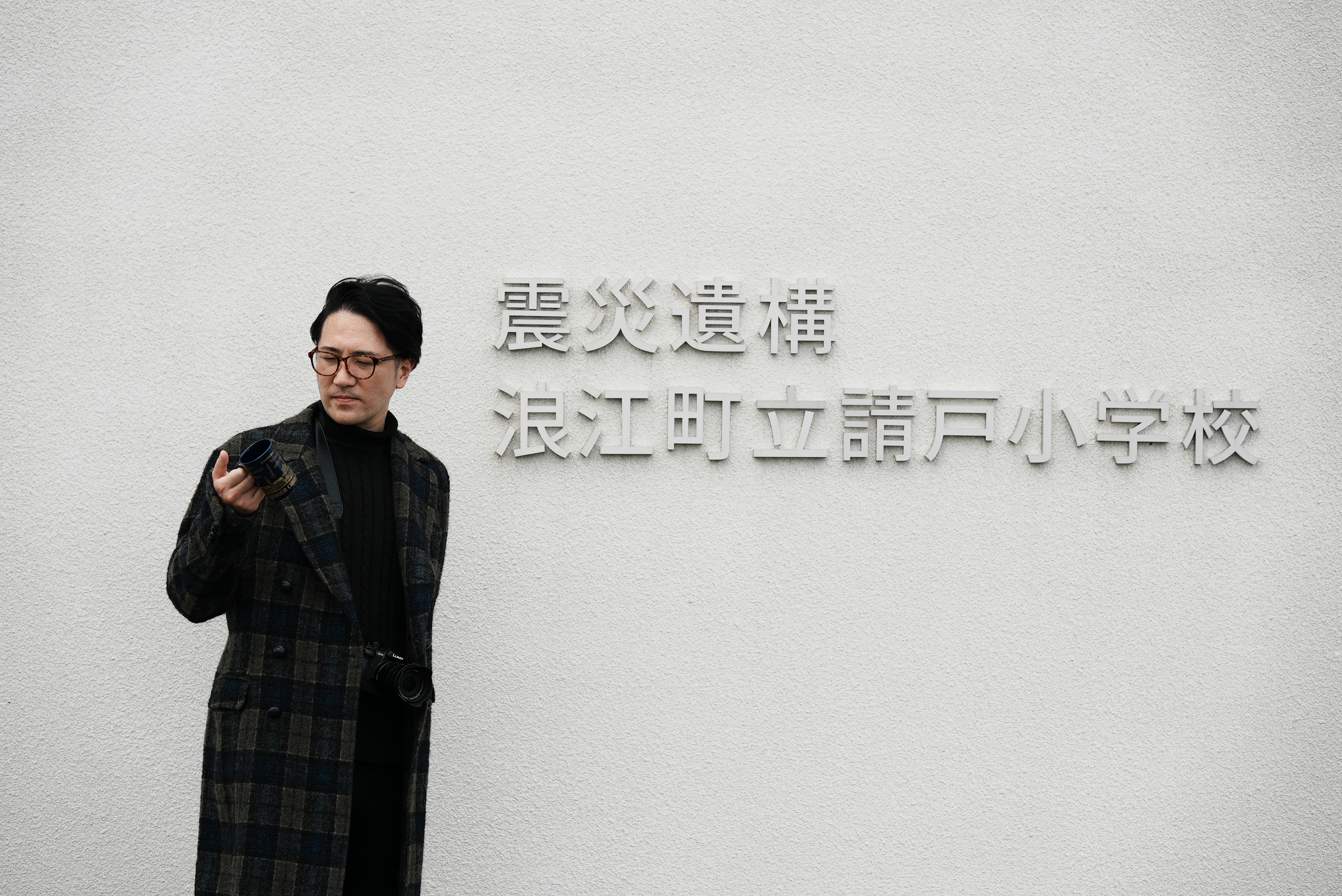
Ukedo Elementary School, Namie
Ukedo Elementary School in Namie has been preserved as a disaster memorial, having suffered devastating damage from the tsunami on March 11, 2011. Standing in this place was not mere 'reporting' for Ishii. A place where children had studied, played, and laughed was destroyed in an instant — before that fact, the position of 'proxy' lost all meaning.
Standing before the memorial, Ishii felt the weight of this place not as Stockmann's proxy, but as an individual human being. In rental family work, Ishii was always 'someone's substitute.' But here, the boundary between being a proxy and being himself dissolved. The grief of this place reached his heart with equal weight, whether experienced through proxy or directly.
Standing in a place where children once ran and played. The title of "proxy" held no meaning before this place.
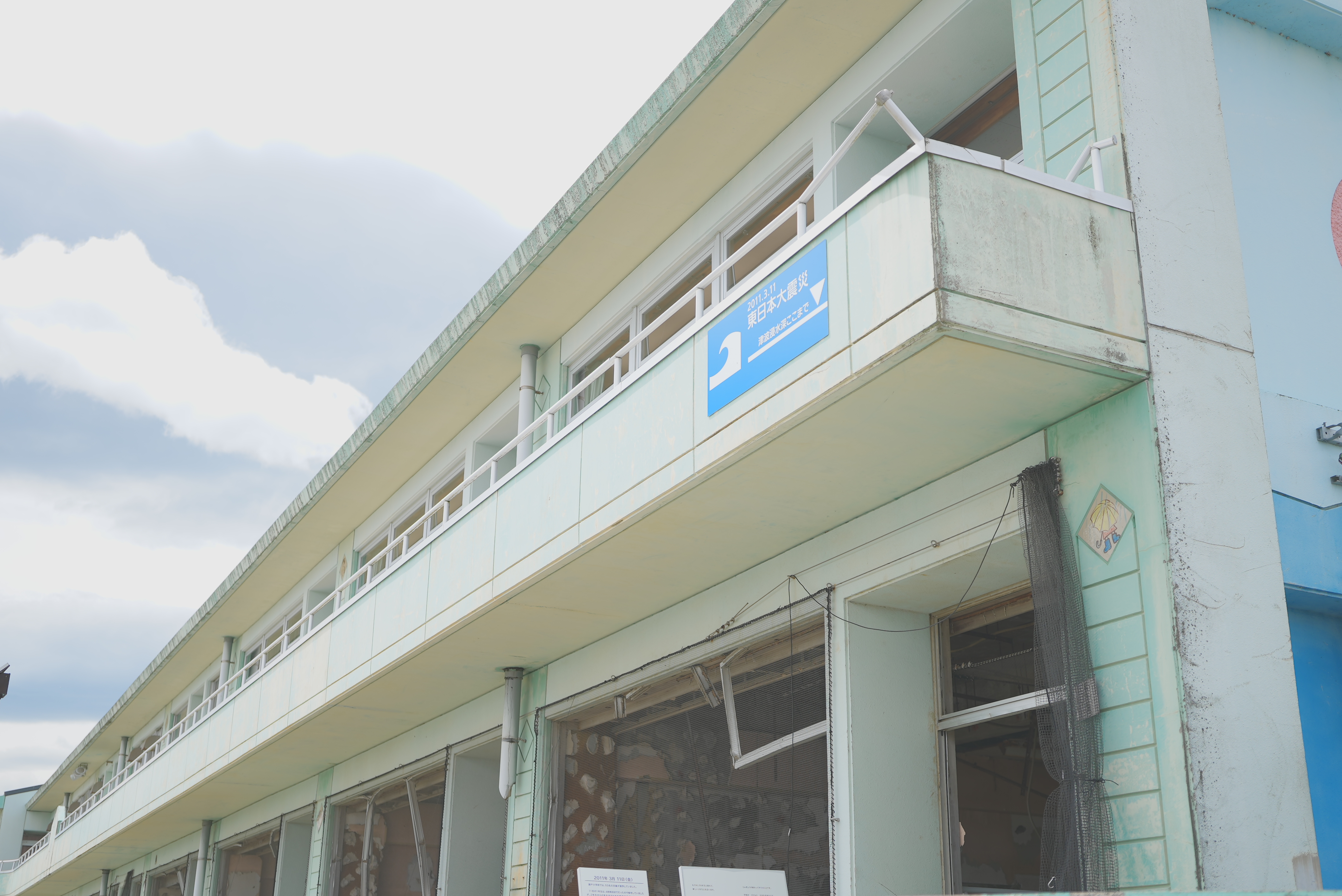
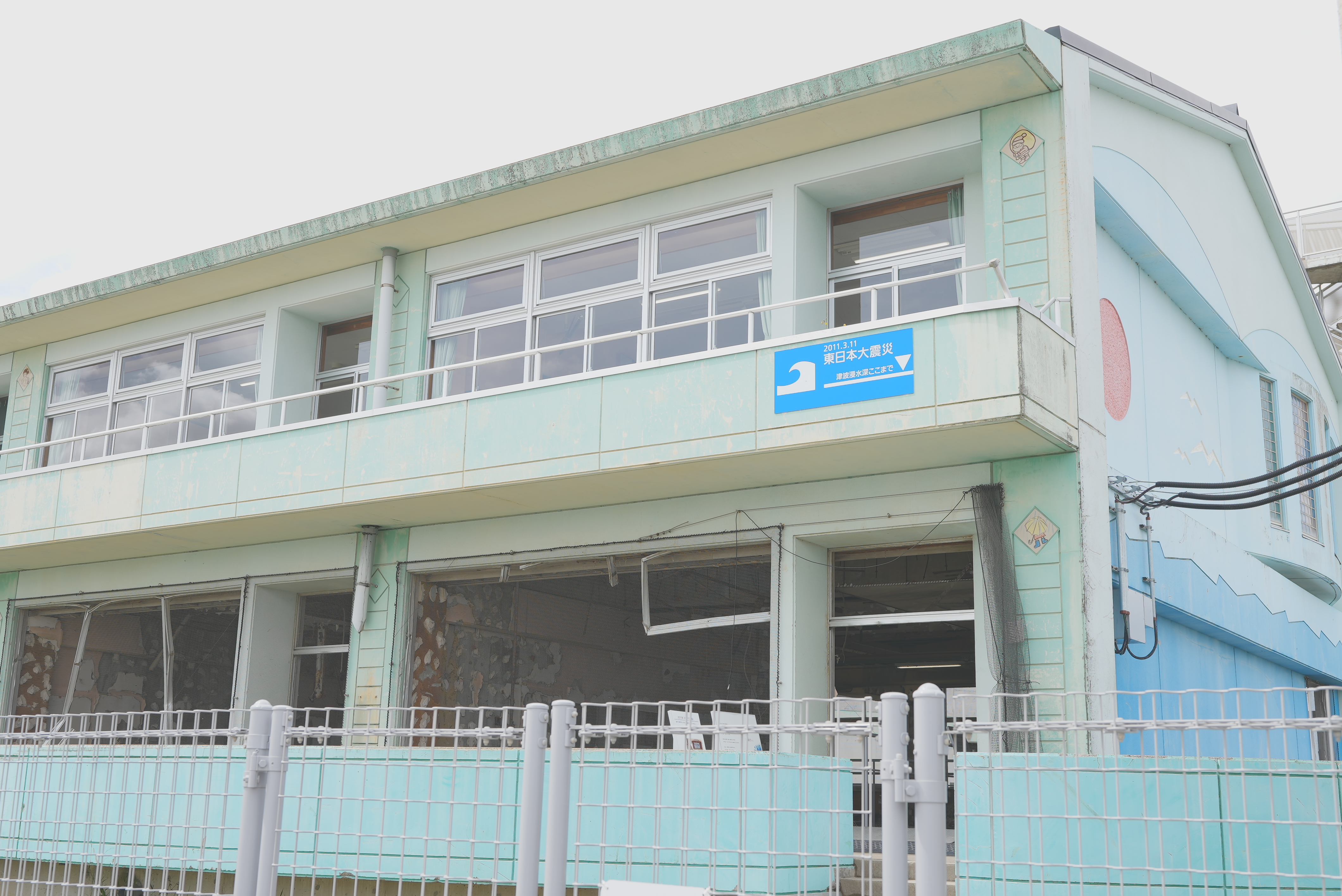
Disaster Memorial: Ukedo Elementary School, Namie
Listening, Being Present
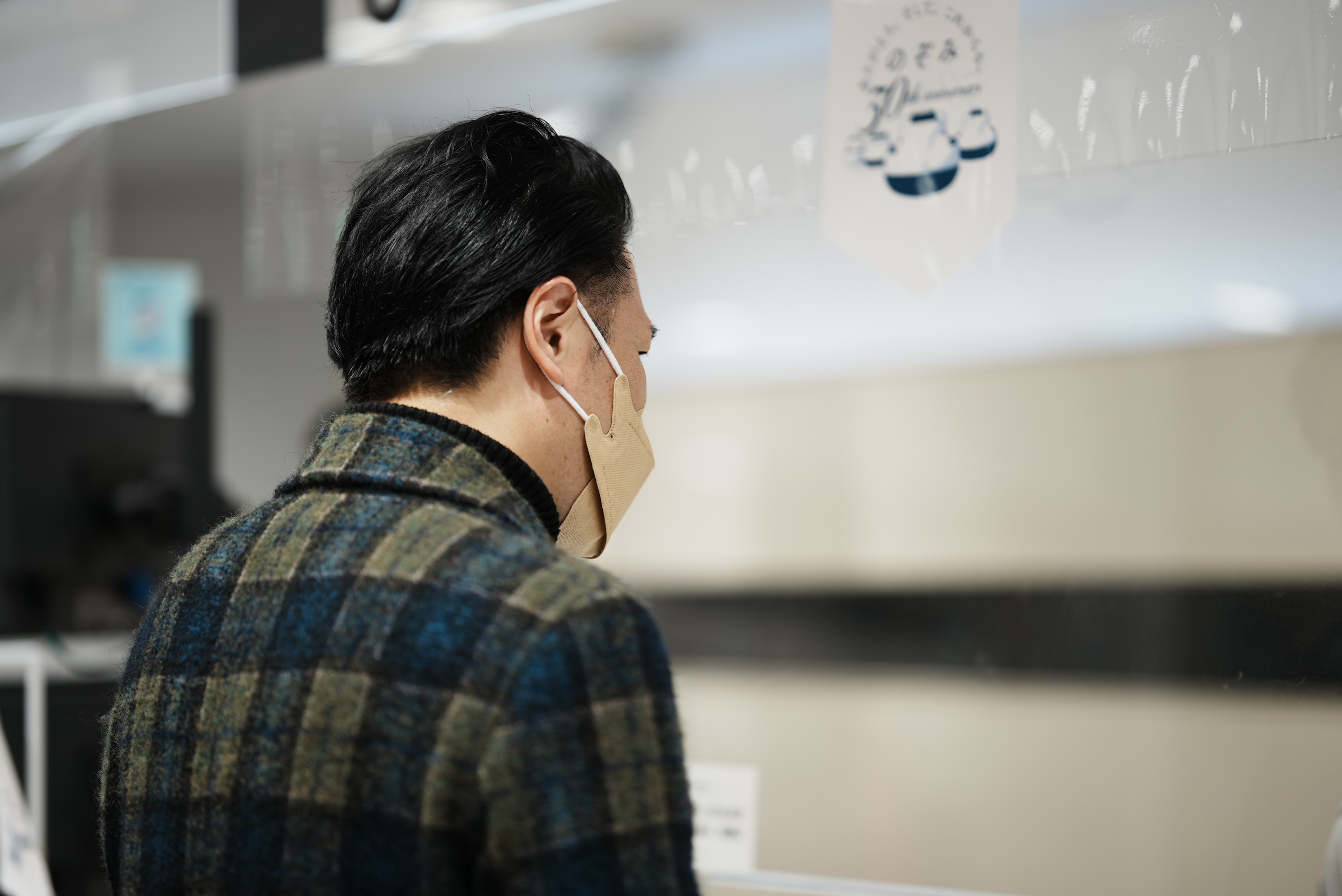
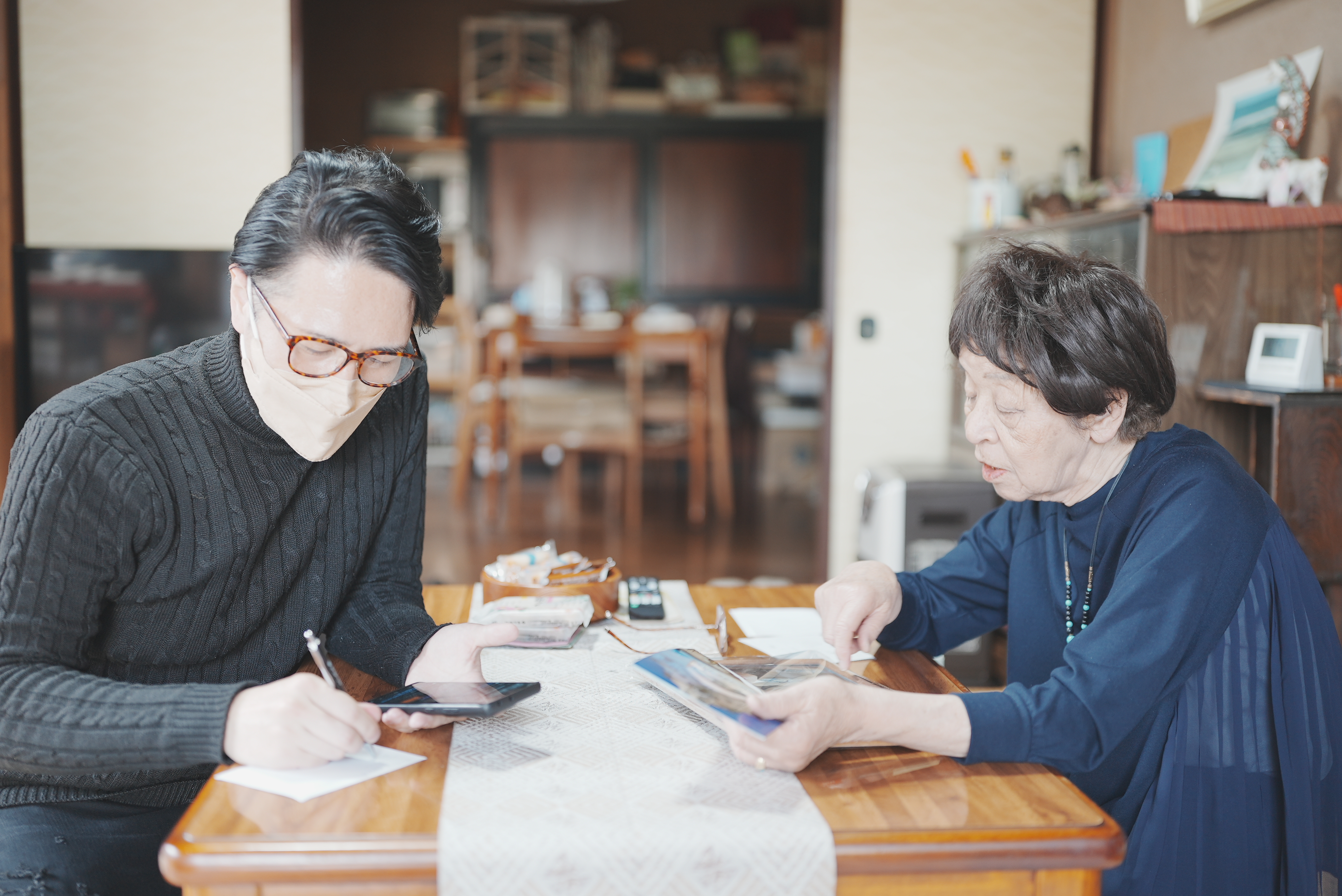
Yuichi Ishii visiting and listening to disaster area residents at their homes
As Stockmann's 'proxy,' Ishii visited the people the playwright had met on previous trips. Residents who lost their homes in the nuclear disaster, farmers who decided to return, workers engaged in decontamination — each carried a story spanning 10 years.
Ishii was perfectly suited for this work because of the 'power of listening' he had cultivated as a rental family member. As a certified care worker and rental family provider, Ishii was a professional at 'empathizing with others' stories.' The Fukushima residents shared their 10 years with this unfamiliar Japanese man — a proxy for a German playwright.
Yuichi Ishii lost in thought after listening to residents
The residents spoke to Ishii, but their words were meant to reach the German playwright. Ishii functioned as a 'transparent intermediary' — present yet absent. It was an unprecedented moment where the human rental business and documentary filmmaking intersected.
Listening to stories of loss and recovery. It was precisely because Ishii had cultivated the 'power of compassion' as a rental family member that residents opened their hearts.
Carrying Others' Stories
After several days in Fukushima, Ishii returned to Tokyo. What he brought back was not just footage and photographs. The voices of residents, the silence of the disaster zone, the weight felt before the Ukedo Elementary School memorial — the stories of others had settled within Ishii.
In rental family work, Ishii sheds his 'role' when the assignment ends. But the Fukushima experience clung to him like a garment he could not remove. A place he had visited as a proxy had become Ishii's own memory. What he saw, heard, and felt on Stockmann's behalf — it belonged to Ishii as well.
What Ishii brought back from Fukushima — it was a report for the German playwright, and at the same time, a scar etched into Ishii's own life.
The footage Ishii captured would later be projected on the stage of the Nuremberg State Theatre. Ishii on a massive screen, and the Fukushima landscapes his camera captured — German audiences would see the traces of the nuclear disaster through the eyes of a Japanese rental family provider.
Yuichi Ishii's back as he walks through the disaster zone
Yuichi Ishii leaving Fukushima. Carrying a different weight than when he arrived
At the Ukedo Elementary School disaster ruins
Interviewing residents
A broken television among the ruins
At the bullet train ticket machine
At the station
Walking through the station corridor
Debris piled on staircases
Gazing at a display case
Interior of a destroyed building
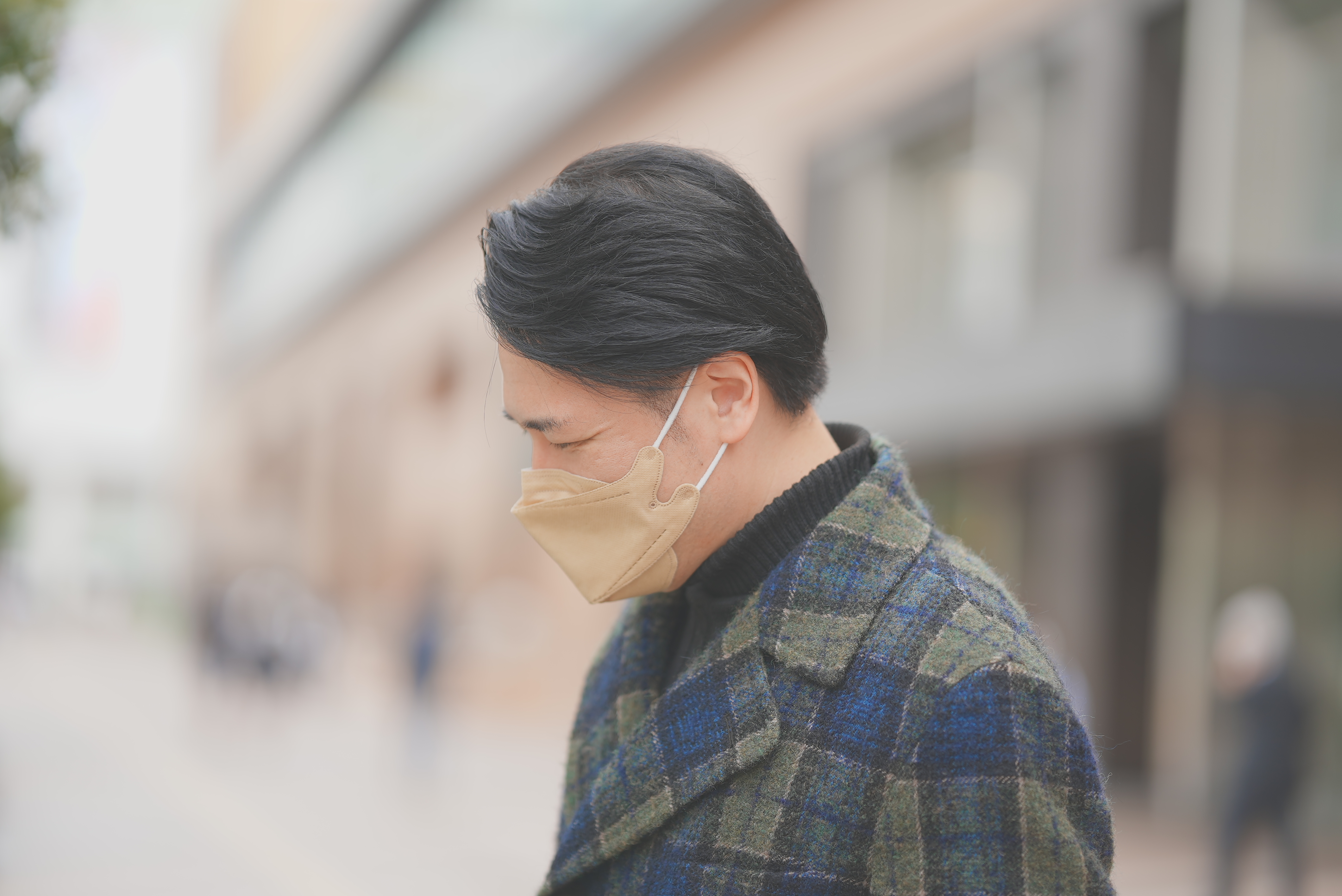
Yuichi Ishii walking the streets (profile)
Exterior of the damaged school building
Close-up of a damaged building
Structural damage detail
School building with tsunami marker
Metal wreckage
Yuichi Ishii lost in thought
Back view (contemplative)
At the ticket machine (return trip)