A Nation of
Loneliness
Why is this service needed in Japan?
The grave reality facing the world's loneliest nation.
Why Does This Service Exist?
"Why does Japan have a service for renting families?"
That was the first question a reporter asked when The Atlantic interviewed Yuichi Ishii in 2017.
For people in the West, the idea of "renting a family" was shocking. Family is connected by blood, bound by love. What does it mean to "borrow" one?
The rental people service was not something Ishii invented — society demanded it. A society where not having a father is a disadvantage, where not having a husband is uncomfortable, where not having friends is embarrassing — these distortions in Japanese society created the need for this service.
"I think our service is a mirror of society. The fact that the rental people business is thriving means that many people are suffering from loneliness and inequality. In truth, our work should not need to exist."
— Yuichi Ishii
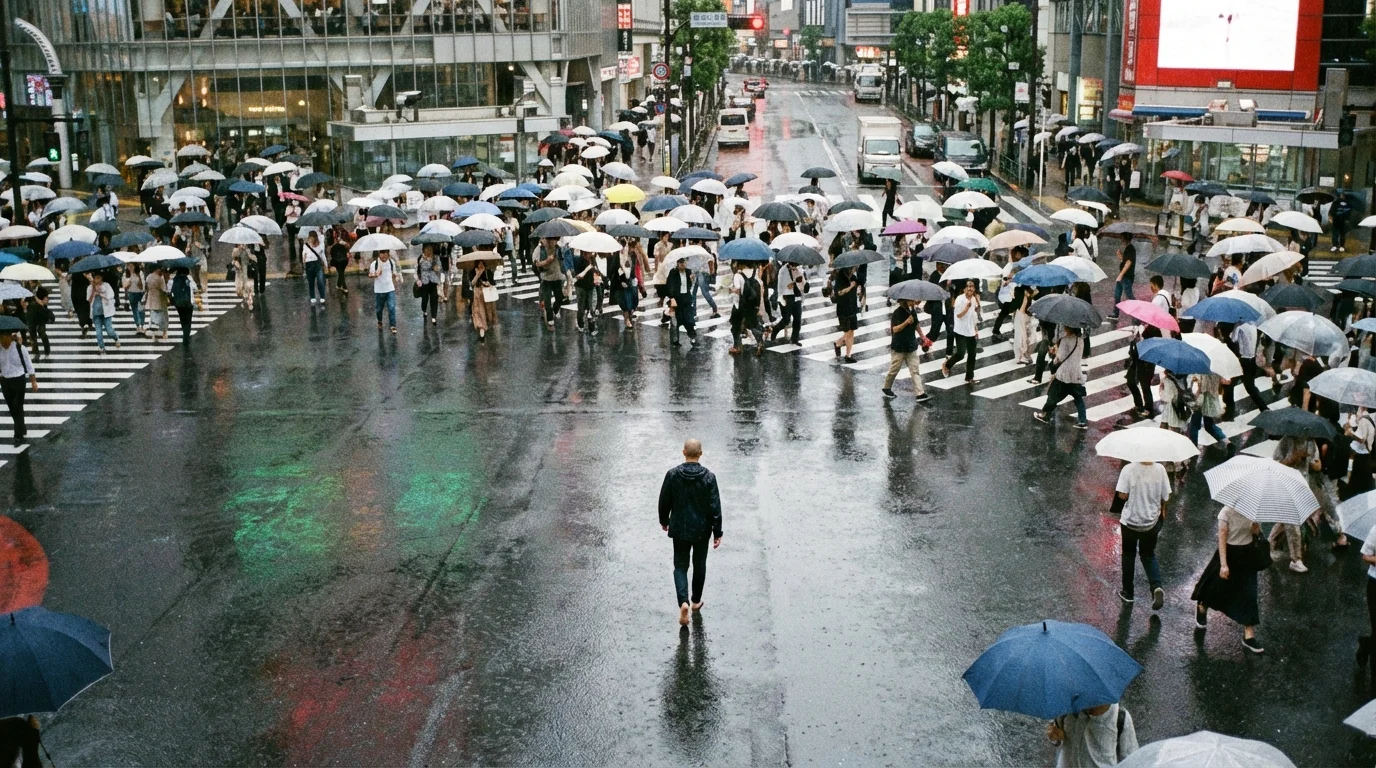
Japan: A Nation of Loneliness
Japan is one of the loneliest nations in the world
Feel Lonely
About 40% of Japanese people feel lonely
Solitary Deaths/Year
People who die alone, unnoticed
Minister of Loneliness
A first-of-its-kind government post
Community Bonds
Lost communities
In 2021, the Japanese government established the world's first "Minister of Loneliness and Isolation." That is how serious loneliness has become as a social problem.
According to a Cabinet Office survey, about 40% of Japanese people said they "sometimes feel lonely." The situation is especially severe among young people and the elderly.
Loneliness among people in their twenties has hit an all-time high. Despite being "connected" through social media, more and more young people cannot feel truly connected.
"Loneliness is invisible. Sometimes you don't even notice when a neighbor dies alone. The people who use our service look like they're living normally on the surface. But inside, they're full of loneliness they can't share with anyone."
— Yuichi Ishii
The Curse of "Normal"
Social expectations and the nuclear family illusion
Why aren't you married?
Do you have children?
What does your husband do?
Well-meaning questions that corner people
Japanese society has an intense pressure toward "normalcy."
Being married is expected. Having children is expected. Having both parents is expected. When you deviate from these "norms," you are asked to explain yourself.
Single mothers are asked "Why did you get divorced?" Unmarried women hear "Haven't you found someone yet?" Single men are pressed with "Don't you want to get married?"
To escape that pressure, people tell lies. And to maintain those lies, they need rental families.
"What even is 'normal'? A household with a father? A couple that hasn't divorced? There are so many people in Japan who don't fit that 'normal.' They shouldn't have to feel ashamed for being 'not normal.'"
— Yuichi Ishii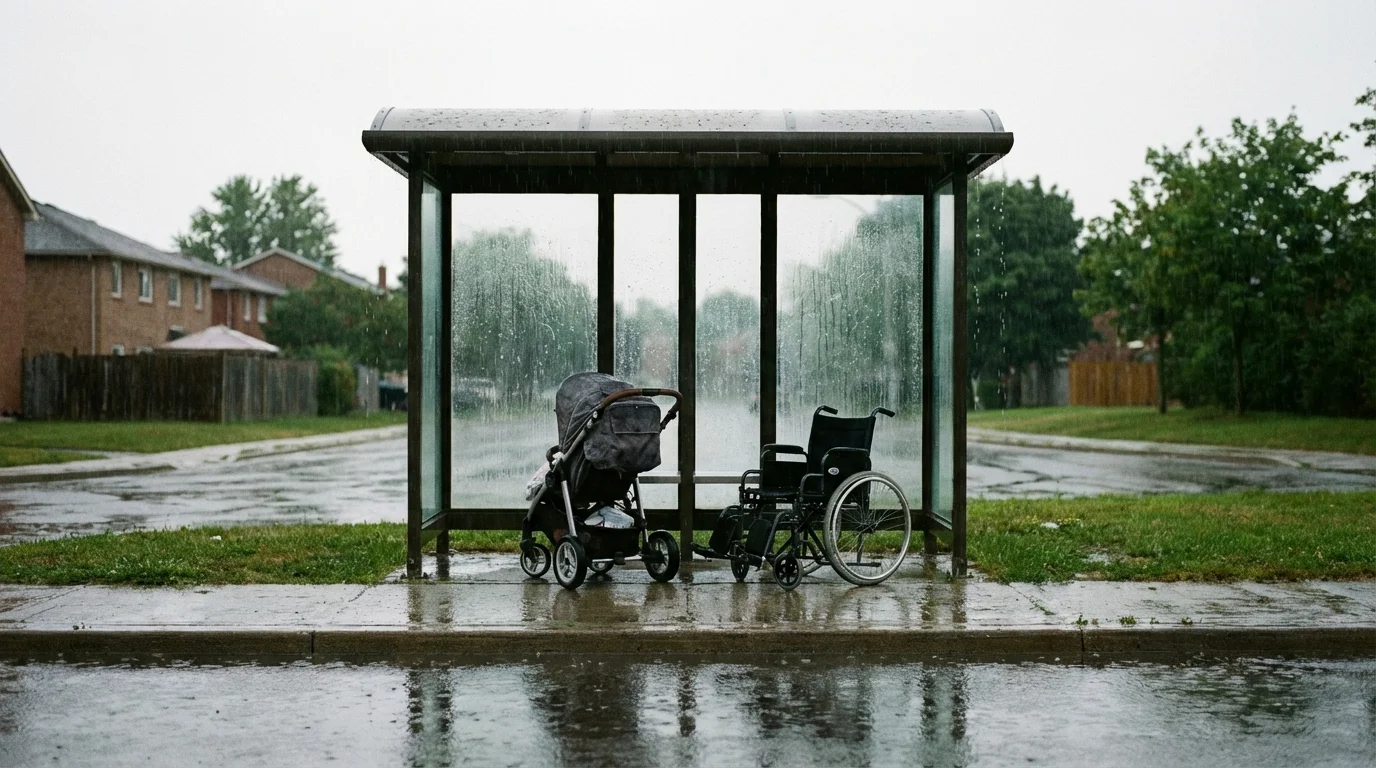
Can't Talk, Can't Ask for Help
The stigma around mental health
In Japan, it is difficult to talk to others about mental health issues.
"Don't show weakness." "Endure it." "Handle it yourself." — these values still run deep in Japanese culture.
There is strong resistance to visiting a psychiatrist or counselor. "People will think I'm crazy if I go to a psychiatrist." "It's embarrassing to talk to a counselor." Ishii has heard these words countless times.
As a result, instead of turning to professionals, people look for alternatives. One of them is the rental people service.
Common Reasons for Requests
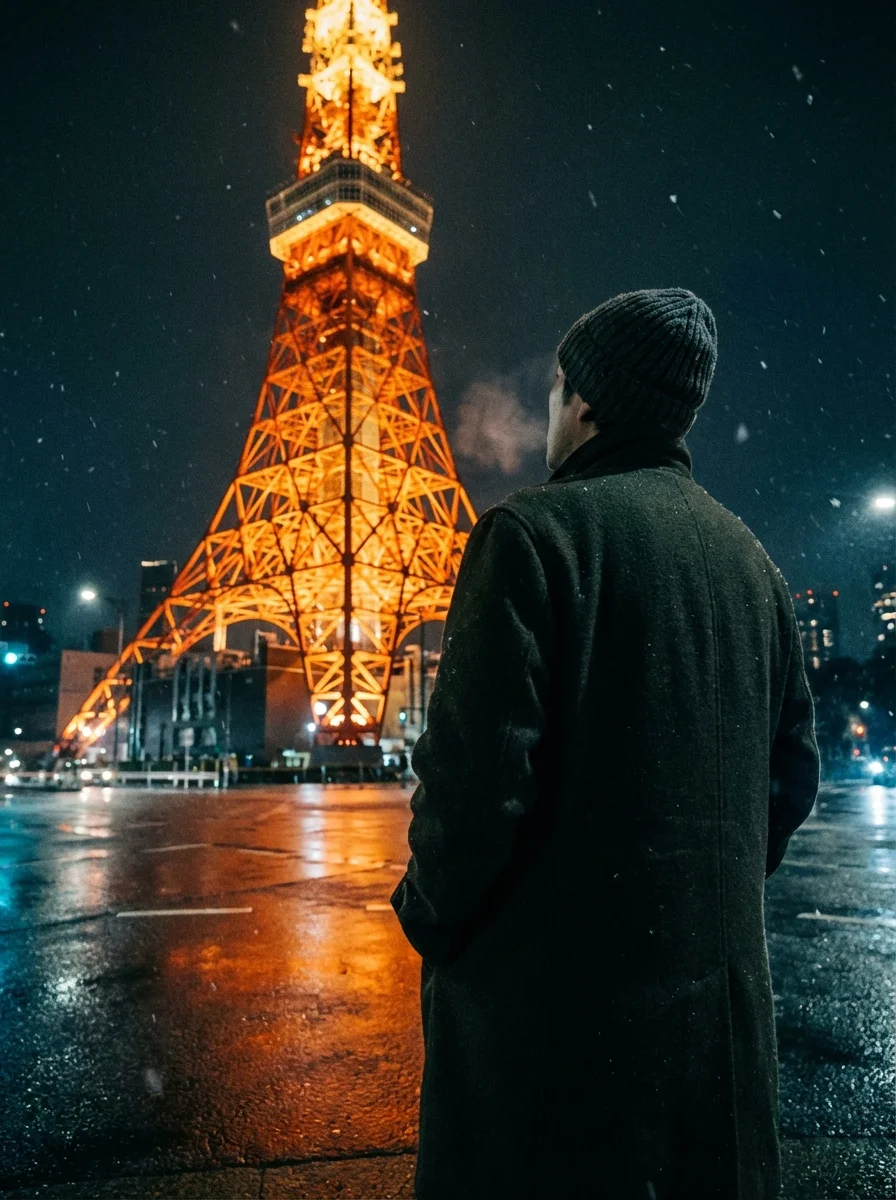
"'I just want someone to listen' — how incredibly difficult even that simple thing can be. They don't want to burden friends, don't want to worry family, but can't bear it alone. Those are the people who come to us."
— Yuichi Ishii
The Changing Shape of Family
Rising single-person households and diversifying family structures
Single-Person Households
Over 1 in 3 households is a single person
"Standard" Families
Married couples with 2 children: less than 5%
Divorce & Unmarried Rates
Rising divorce, rising singlehood, later marriages
Japan's household structure has changed dramatically.
According to the 2020 census, single-person households exceeded 38% of all households. More than 1 in 3 households is a person living alone.
The once "standard family" — a married couple with two children — now represents less than 5% of all households.
However, social systems have not kept up. School events assume "both parents" will attend, workplace socializing expects "whole family" participation. There is a gap between the "family" society expects and the reality of family structures.
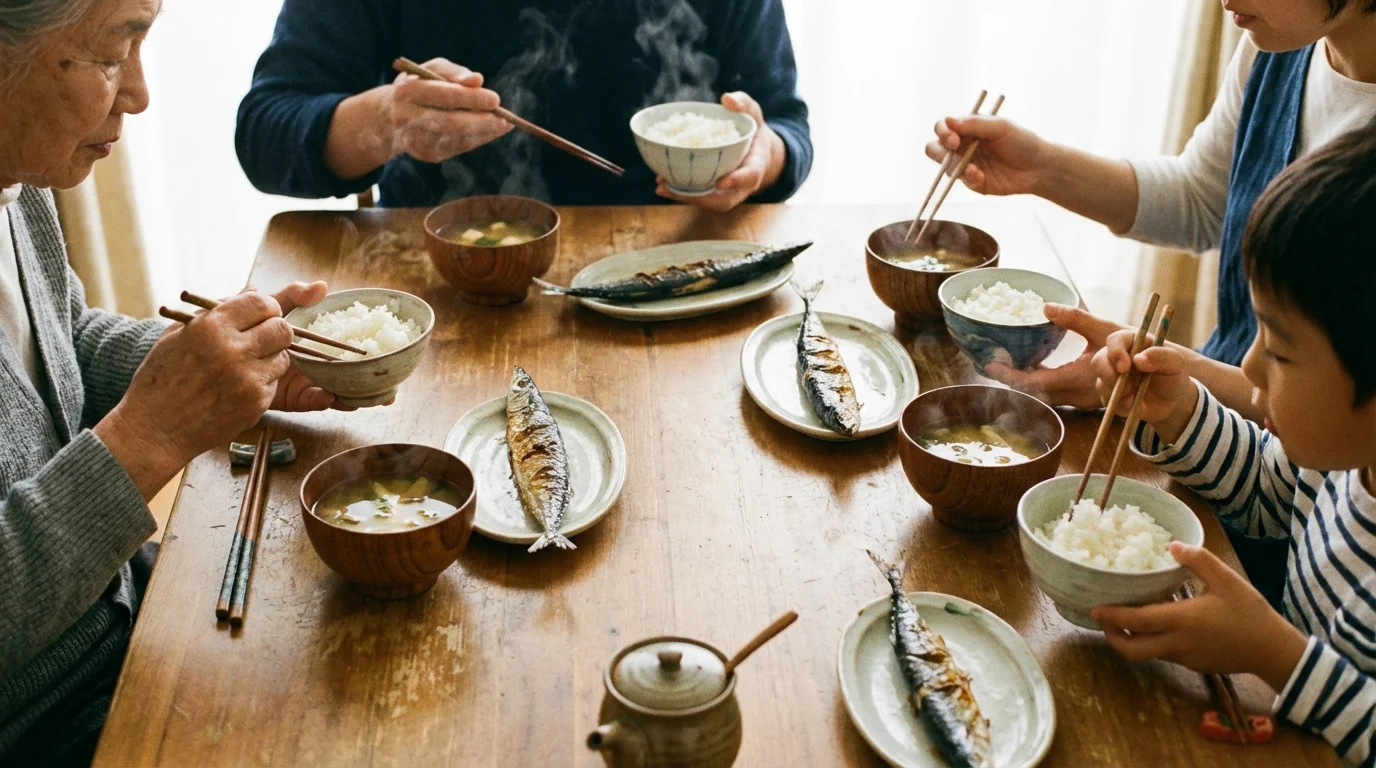
"The shape of family has changed.
But society's expectations have not."
The Shadow of an Aging Society
Care challenges and the burden on families
The Reality of a Super-Aged Society
Aging Rate
Nearly 30% of the population is 65+
Elderly Caring for Elderly
Seniors caring for seniors
Care-Related Job Loss
Quitting work to provide care
Japan has the most aged society in the world. Over 29% of the population is 65 or older, and the number continues to grow.
Elderly-on-elderly care, dementia-on-dementia care, quitting jobs to provide care — problems once unimaginable have become everyday reality.
And the number of elderly people without families is growing. The lifelong unmarried, childless couples, parents estranged from their children — they have no family to rely on.
Requests from the Elderly
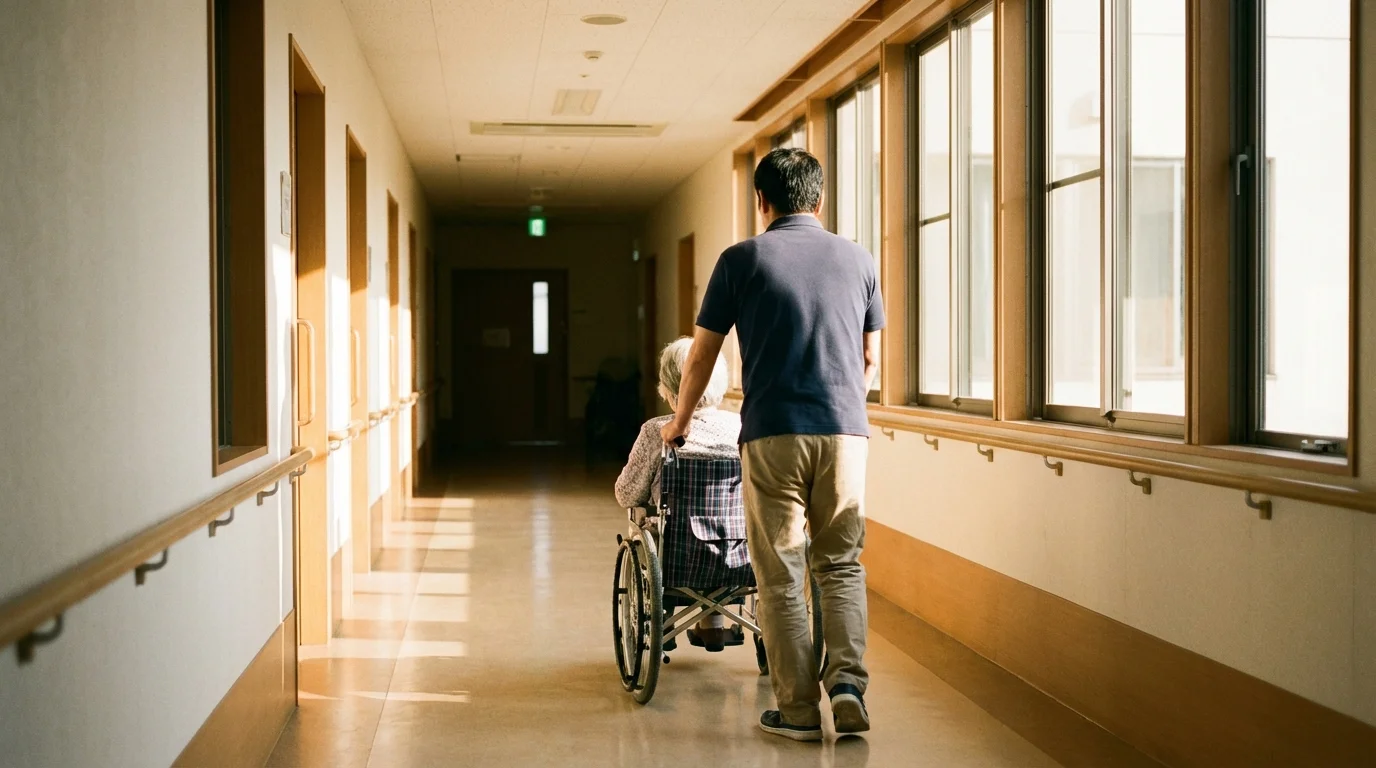
"When I talk with elderly clients, it can be heartbreaking. 'I don't want to burden my family.' 'My children are busy.' 'I'm fine on my own.' They say these things, but their eyes are full of loneliness."
— Yuichi Ishii
Changes Ishii Has Witnessed Over the Years
Social change as seen from the front lines
Wedding Stand-ins
"I don't have many friends." "I moved to Tokyo and don't know anyone."
Rise of Family Stand-ins
Father stand-ins for single mothers, husband stand-ins for divorced women
Surge in Loneliness Requests
"I want to talk to someone." "I'm scared of being alone."
Many years have passed since Yuichi Ishii started the rental people business. During that time, society changed. And so did the nature of the requests.
In the 2020s, after the pandemic, loneliness-related requests surged. "I want to talk to someone." "I need someone to go out with me." "I'm scared of being alone." The pandemic laid bare people's loneliness.
"Over the years, I've felt the changes in society firsthand," says Ishii. "If you look at the requests we receive, you can tell what society is suffering from."

"The rental people business is like
a thermometer for society"
Toward an Ideal Society
A world where rental people are no longer needed
Yuichi Ishii's Ultimate Goal
For his own work to become unnecessary
Everyone Has a Family
A society free from loneliness
Diversity Is Accepted
Being alone is not a problem
A society where everyone has a family, has friends, and never feels lonely. A society where children are not disadvantaged for not having a father. A society where being unmarried brings no shame.
If such a society were realized, the rental people business would no longer be needed.
Changing society takes time. It may take decades for policies to change, values to shift, and people's awareness to evolve. In the meantime, we cannot abandon the people who need help right now.
Efforts for Change
Raising Awareness
Spreading awareness through lectures and media appearances
Research Collaboration
Partnering with universities and research institutions
Policy Advocacy
Bringing frontline voices into policymaking

"If the day comes when our work is no longer needed, I will be truly happy. That would be proof that society has gotten a little better. But until that day comes, I want to help as many people as I can. That is my mission as a rental person."
— Yuichi Ishii
"Ideally, a service like this shouldn't need to exist.Yuichi Ishii - Rental People
But as long as there are people who need it, I will continue."
Challenges Facing Modern Japan
The serious social problems behind the demand for proxy services
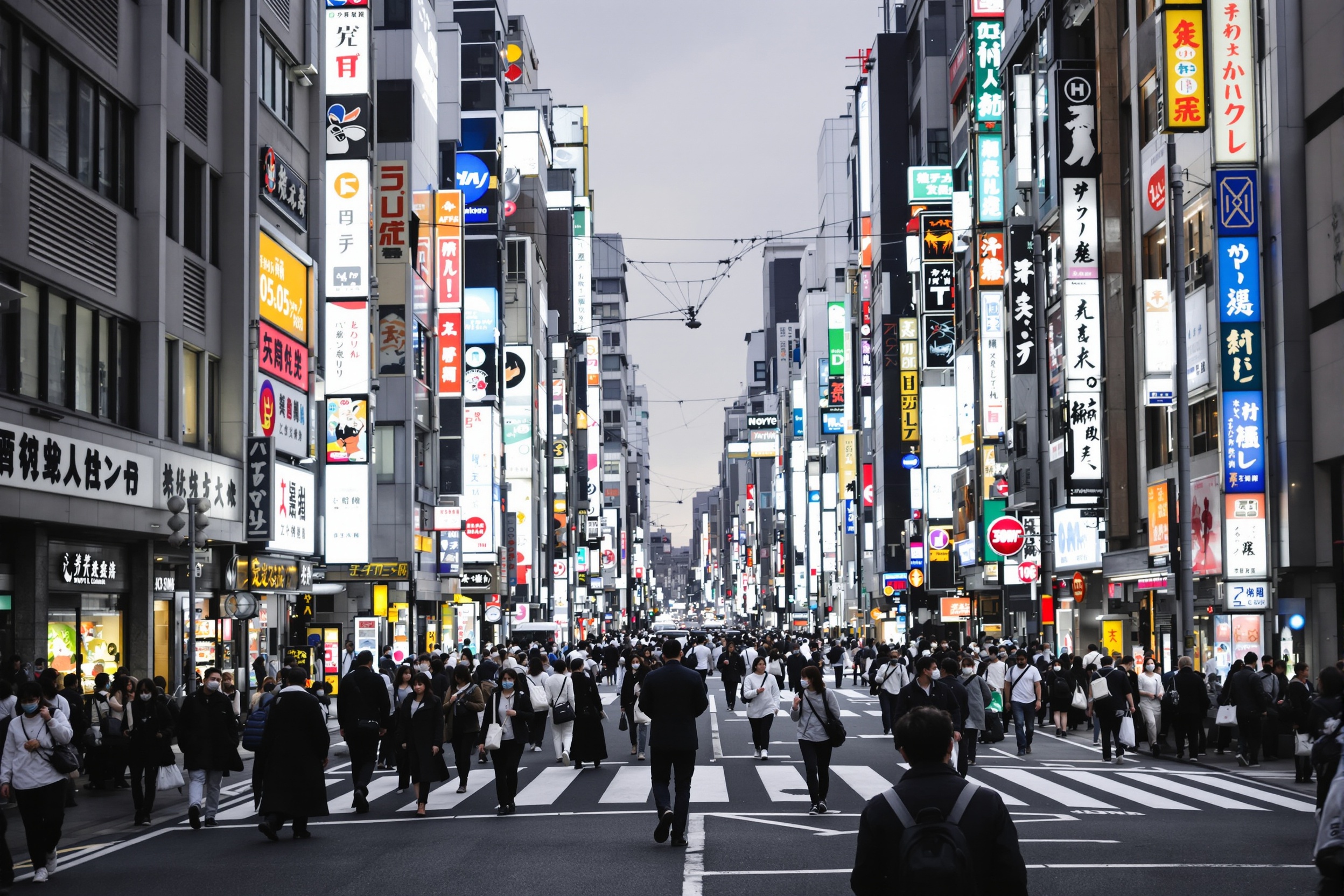
Japan: A Nation of Loneliness
30,000 solitary deaths per year. 1 in 9 people feel lonely. Modern Japan where human connections are fading
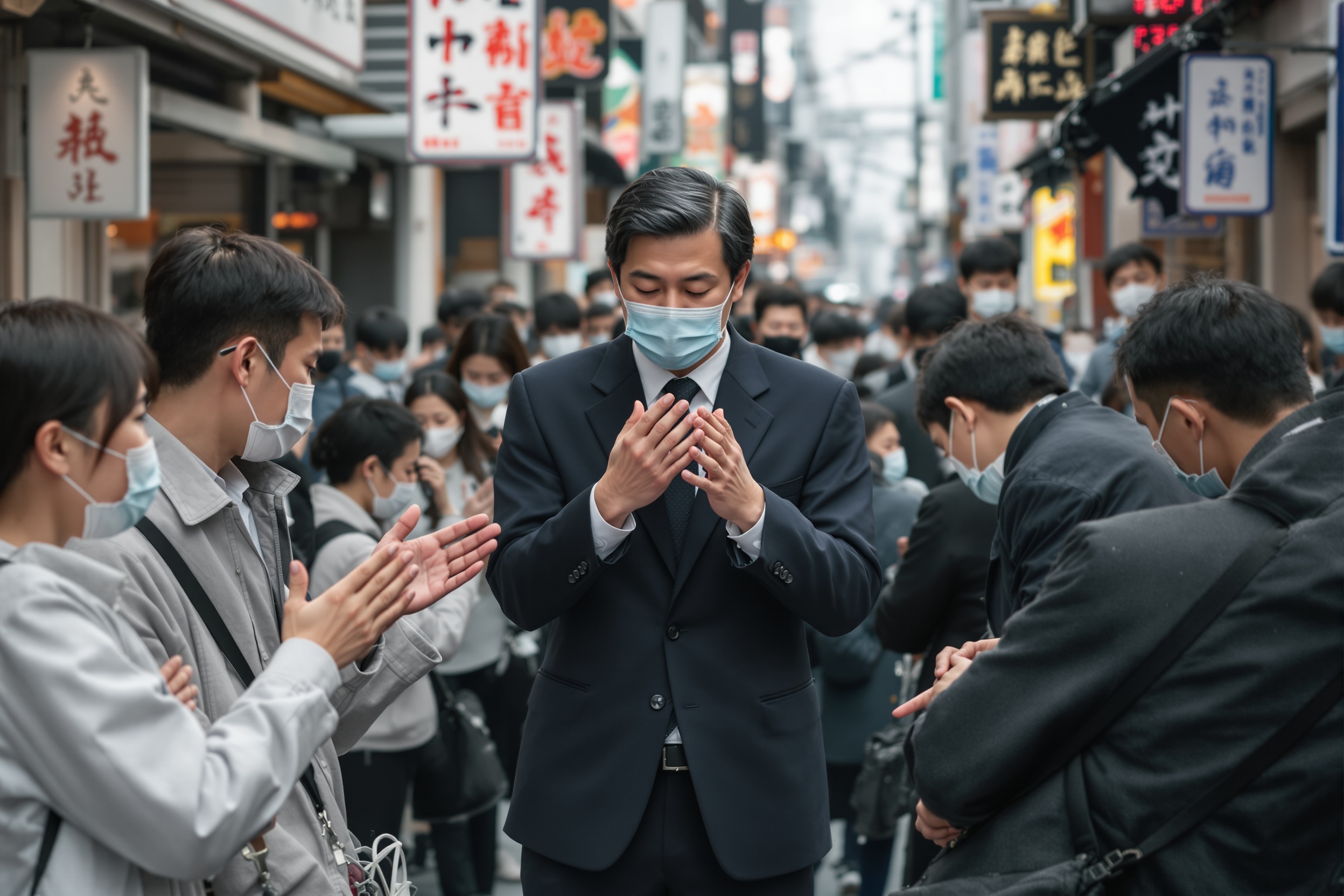
The Curse of Social Expectations
Social pressure to be "normal." The suffering created by the illusion of the standard family

Unable to Talk About Mental Health
The stigma around mental health. The reality of turning to proxy services when unable to seek professional help

Rising Single-Person Households
Over 35% single-person household rate. Diversifying family structures and growing risk of isolation

Challenges of an Aging Society
Care challenges in a super-aged society: elderly caring for elderly, dementia, and the burden on families

The Path to an Ideal Society
Toward a society where proxy services are no longer needed. Restoring genuine human connections
Toward a Society Without
Proxy Services
The proxy services we provide should not need to exist. The ideal is a society where everyone has natural connections and never feels lonely.
But in reality, there are people who have lost connections with family and friends for various reasons. Proxy services serve as temporary emotional support for these people.
The true solution lies in building communities where everyone can speak openly, understanding diverse family forms, and creating a society-wide support system for those who feel lonely.
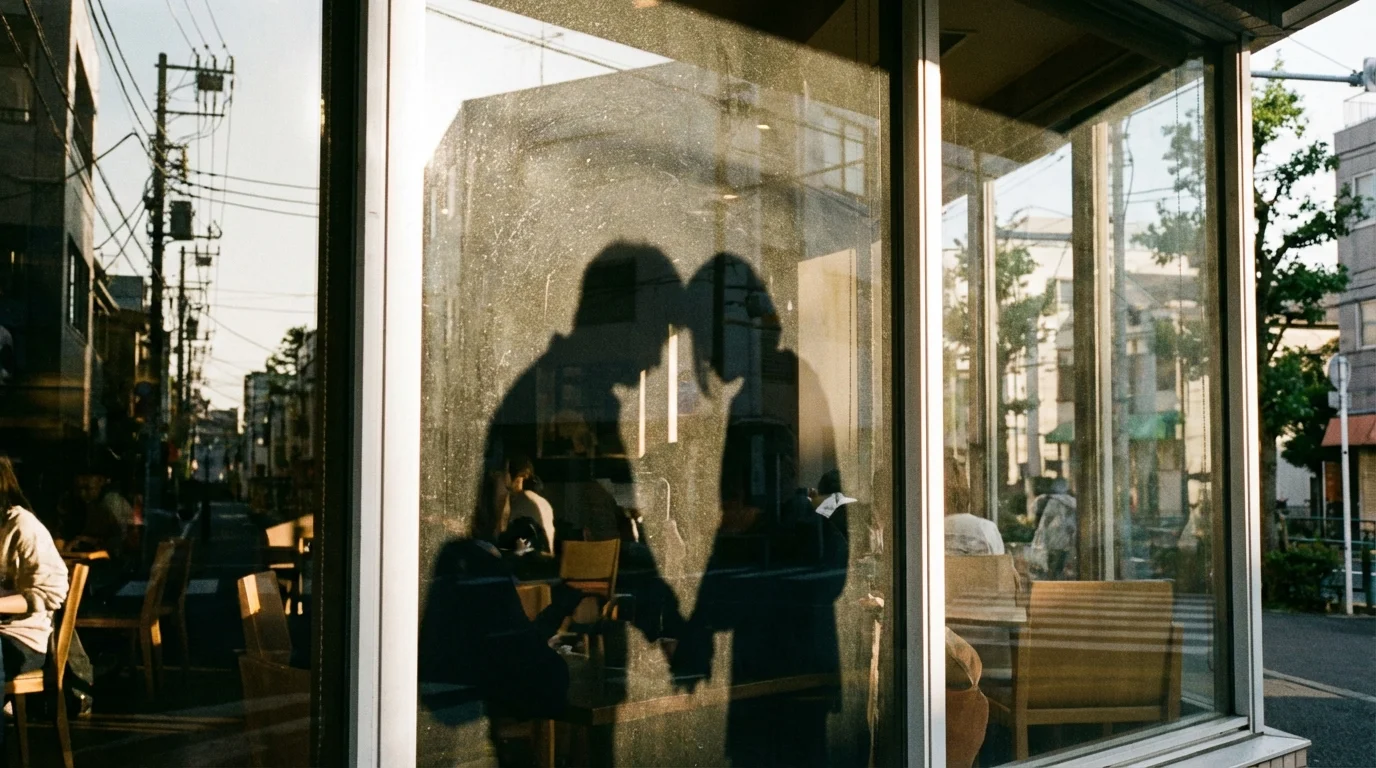
Let's Think Together
Would you like to reflect on the social issues
that proxy services reveal?