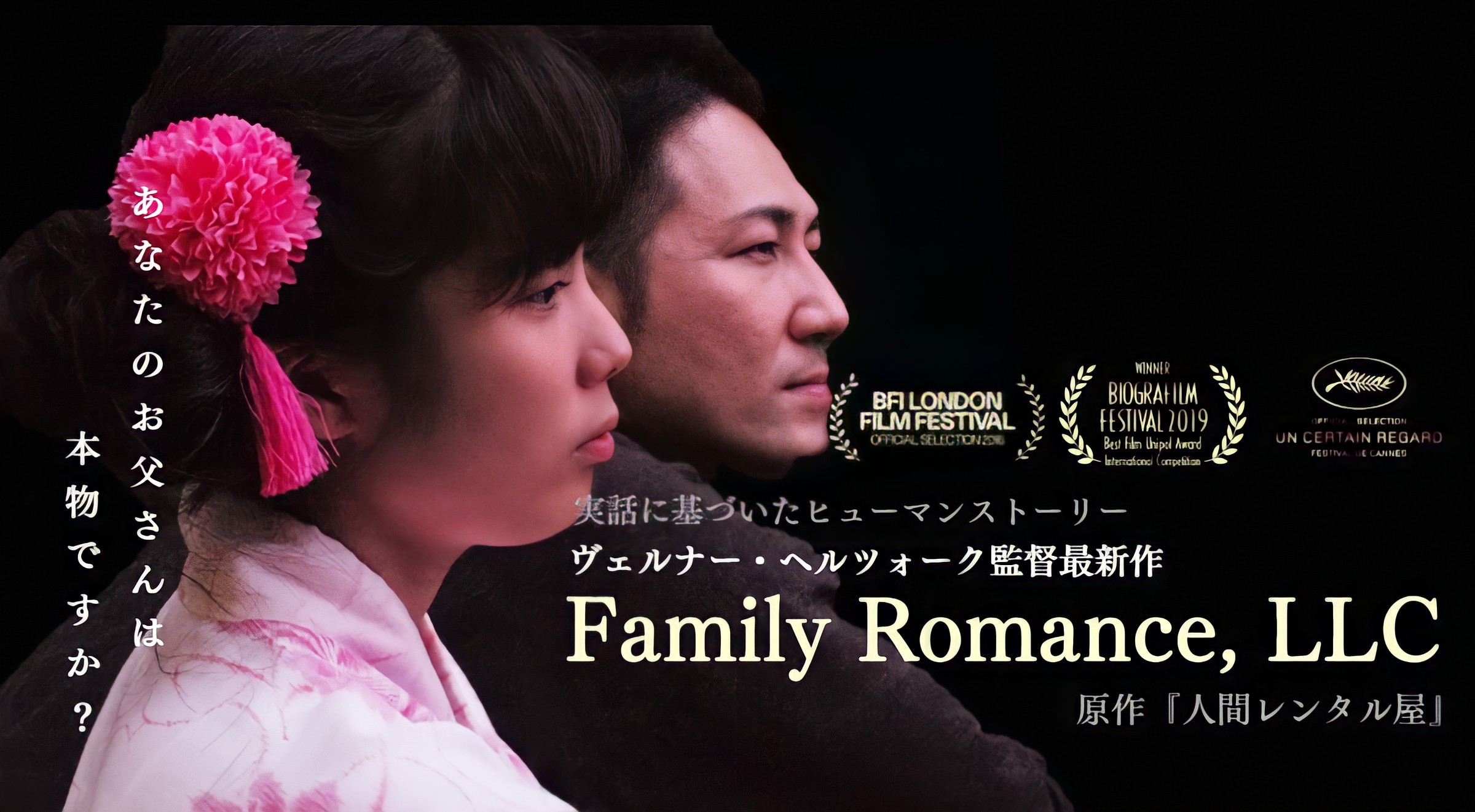
Family Romance, LLC
Directed by Werner Herzog / 2019
Director
Werner Herzog
Lead
Yuichi Ishii
Filming
Spring-Summer 2018
Language
Japanese
The Atlantic Article That
Changed Everything.
The Birth of Yuichi Ishii
Yuichi Ishii was born in Tokyo. He began his career as a certified care worker, learning the importance of emotional connection through eldercare. He went on to work at a talent agency and advertising firm, eventually taking on over 100 different part-time jobs — waiter, mover, event staff — cycling through every kind of work imaginable. Through it all, Ishii deepened a conviction: people have a fundamental need to be needed by someone.
A Fateful Turning Point
The moment that would decisively change Ishii's life arrived one day. A single-mother friend was preparing her daughter for a kindergarten entrance exam. The interview required a "father" to be present. The child was rejected because there was no father.
"A child's future, closed off because of the 'shape' of their family. How could that be acceptable?"
— Yuichi Ishii, on the founding of Family Romance
Ishii volunteered to play the "father." He accompanied the family to the interview and perfectly played the role. The child was accepted. This experience planted a seed in Ishii's mind: if the "shape of family" causes people to suffer, he could create a business to fill that gap.
Founding Family Romance
Ishii launched Family Romance entirely on his own. The company name derives from Sigmund Freud's psychological concept "Familienroman" (family romance). Freud used the term to describe the childhood fantasy that one's "real parents are someone else." Ishii's business made that fantasy a reality.
Since its founding, Family Romance has handled over 18,000 requests, employs a roster of 5,000 staff members, and processes 500 requests per month. Ishii himself serves as the "father" for 23 families, playing dad to 35 "children." His motto: "Joy more real than the real thing."
2017 — The Atlantic's Long-Form Feature
In 2017, the prestigious American magazine The Atlantic published a feature on Yuichi Ishii. The long-form profile introduced the uniquely Japanese phenomenon of "rental families" to the world through the story of one man. The article quickly went viral on Facebook, Twitter, and Reddit. English-speaking readers were astonished, bewildered, and deeply moved to reflection.
The idea of "renting" human relationships held up a mirror to modern society's epidemic of loneliness. The article went viral on social media, and media outlets worldwide began follow-up coverage. The New Yorker, BBC, NHK, and television crews from across the globe descended on Ishii's office.
One film director who read this article would change Ishii's life forever. The German master, Werner Herzog. When Ishii first heard the name, he didn't recognize it — the name of a living legend in world cinema history.
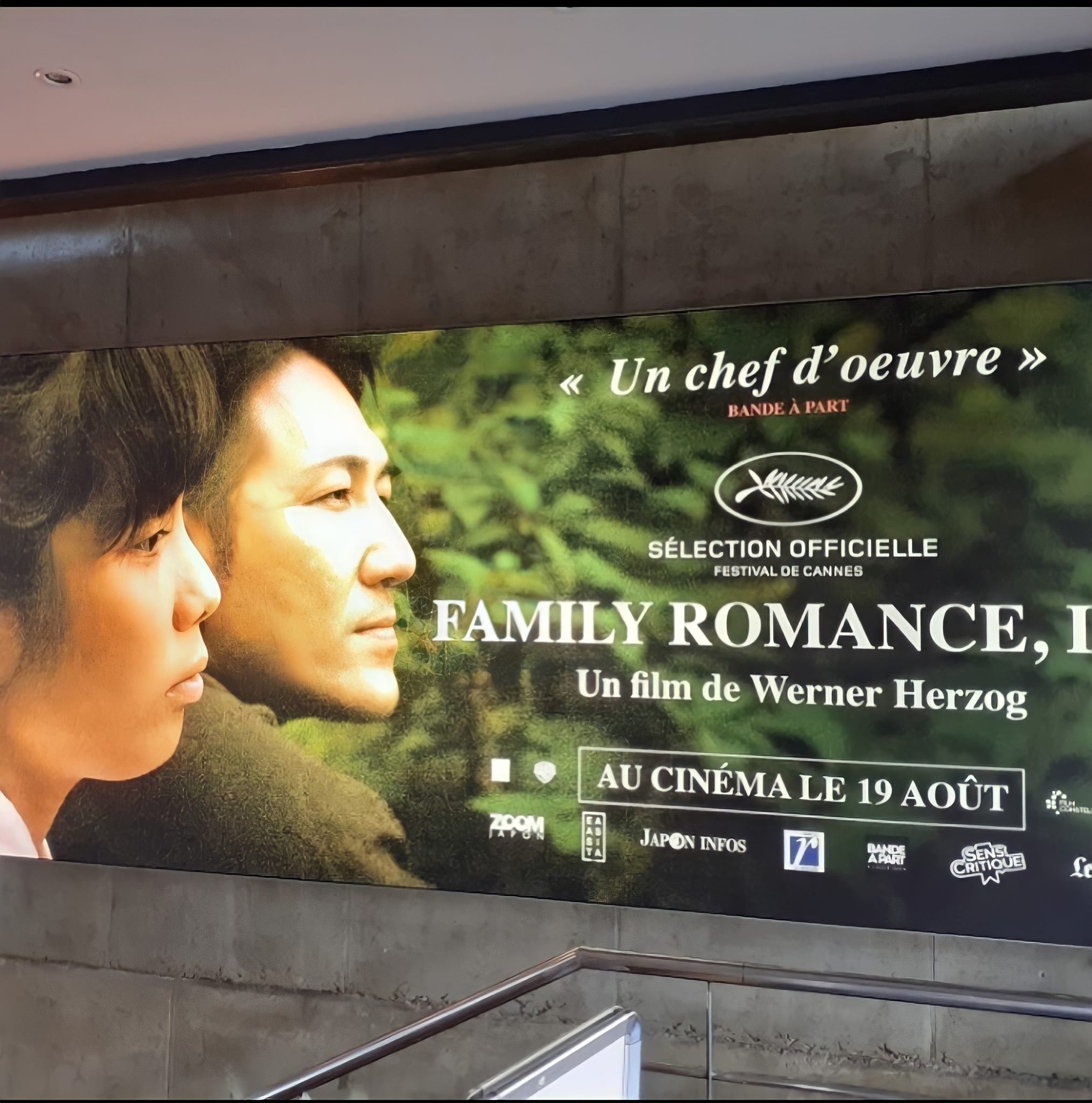
Family Romance, LLC (2019)
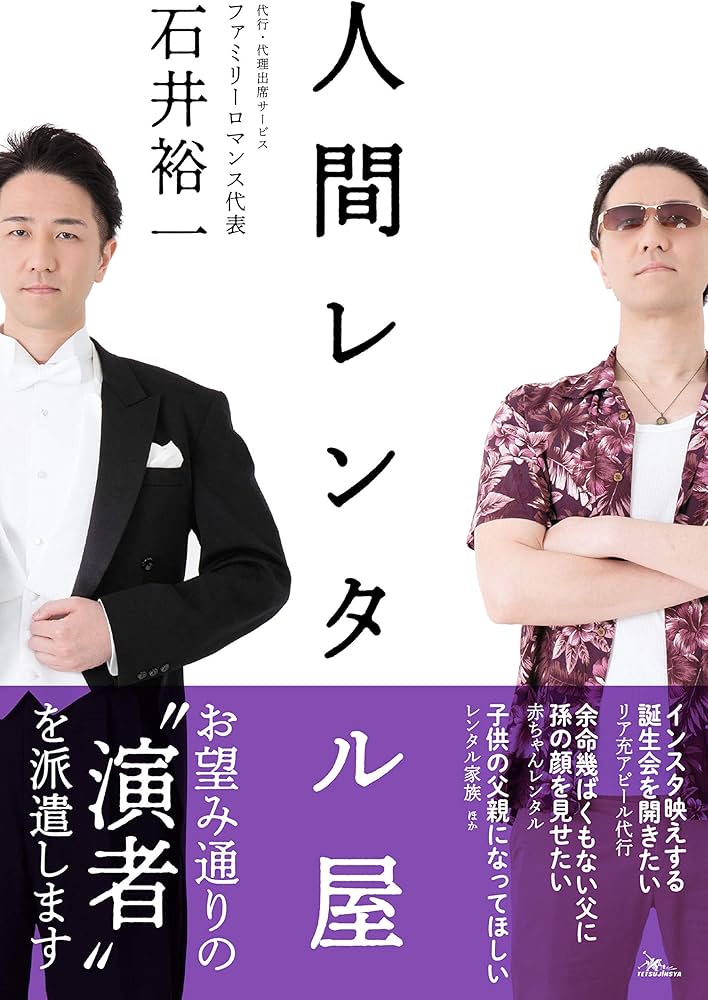
Yuichi Ishii, 'The Human Rental Shop' (2019, Tetsujinsha)
A Living Legend of World Cinema
Werner Herzog was born in Munich, Germany in 1942. A standard-bearer of New German Cinema, he is considered one of the most important filmmakers from the late 20th century into the 21st. Having directed over 70 films, nearly all depict "humanity at its extremes."
'Aguirre, the Wrath of God' (1972)
A film depicting the conquistador Aguirre, consumed by madness in the depths of the South American Amazon. During production, Herzog spent months deep in the Peruvian jungle, and his legendary clashes with lead actor Klaus Kinski became part of cinema lore. Filming on rafts in raging rapids, shooting in indigenous villages — everything was a matter of life and death.
'Fitzcarraldo' (1982)
The story of a real-life rubber baron who attempted to haul a steamship over a mountain in the Amazon. Herzog actually had a real steamship pulled over an Amazonian mountain for the film. No CGI. No special effects. A 320-ton steamship, hauled up a hillside with the help of indigenous people. Production took four years and was interrupted multiple times. Herzog became known for "plunging into madness for the sake of cinema."
'Grizzly Man' (2005)
A documentary about Timothy Treadwell, who lived among grizzly bears in the Alaskan wilderness and was ultimately killed by one. Herzog explored the universal theme of "the relationship between humans and nature" through the harrowing fate of one man.
The Amazon jungle, Alaskan wilderness, Arctic ice fields, erupting volcanoes — Herzog has always filmed "the limits of humanity." And yet, in his mid-seventies, the subject he chose next was a man in a small Tokyo office who spent his days playing other people's lives. Not jungles or glaciers, but the urban life of modern Japan — a different kind of extreme.
"Yuichi Ishii's very existence is a film."
— Werner Herzog
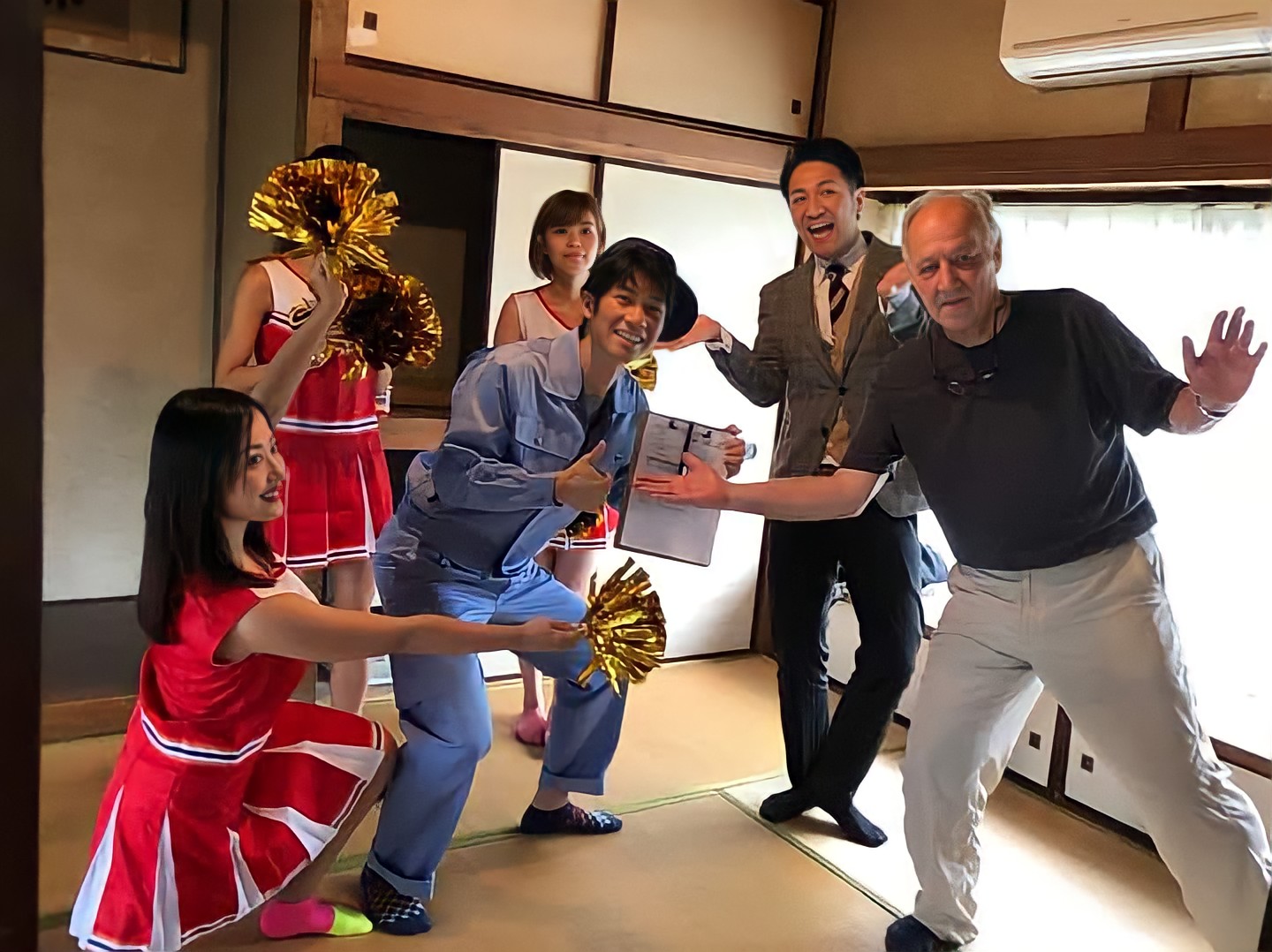
On set. Director Herzog and the cast
Werner Herzog
Born 1942, Munich
Over 70 feature films
Cannes Best Director (1982)
Pioneer of New German Cinema
Continually challenges the boundary between documentary and fiction
Key Works
Aguirre, the Wrath of God (1972)
Fitzcarraldo (1982)
Grizzly Man (2005)
Cave of Forgotten Dreams (2010)
Family Romance, LLC (2019)
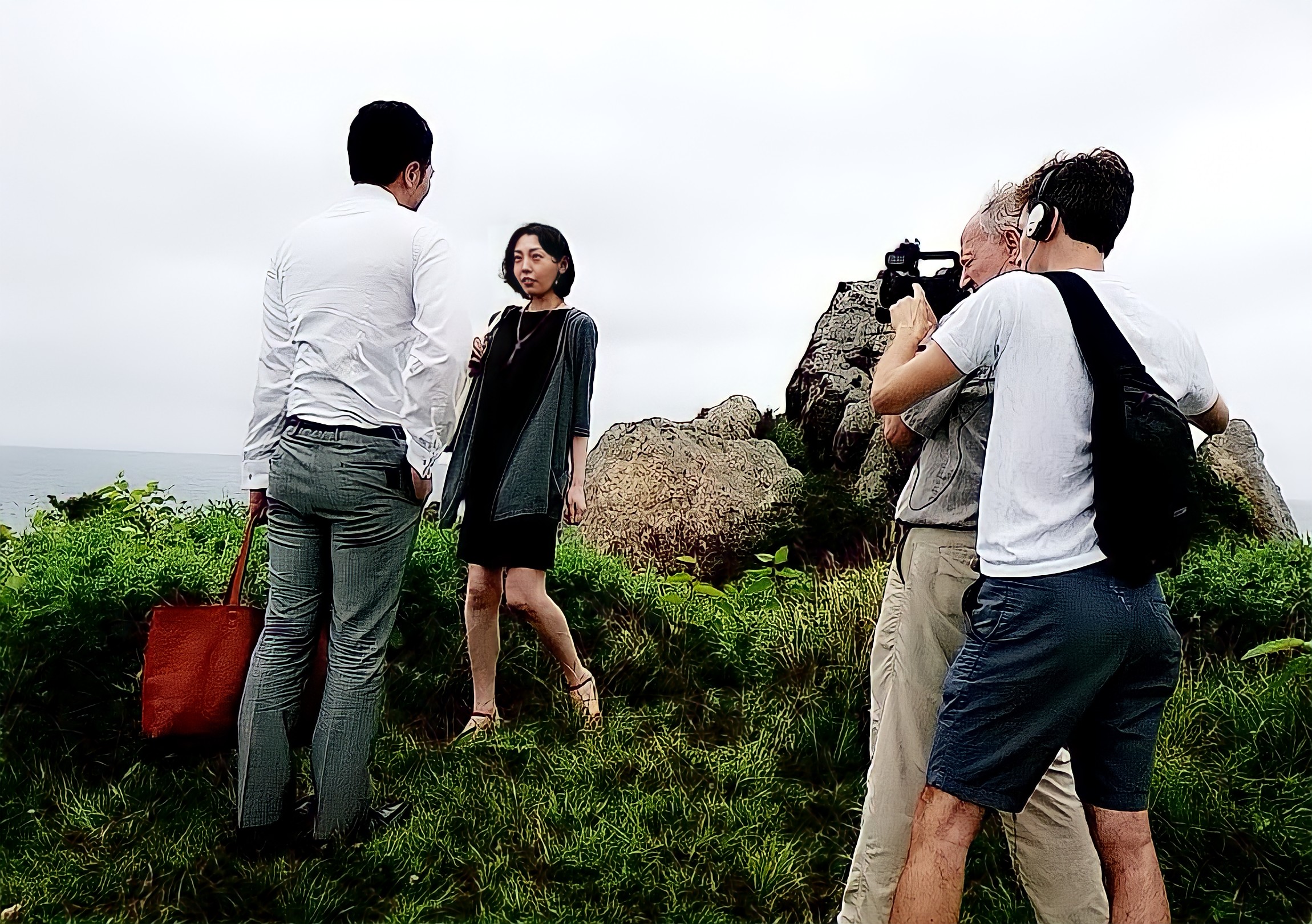
On set
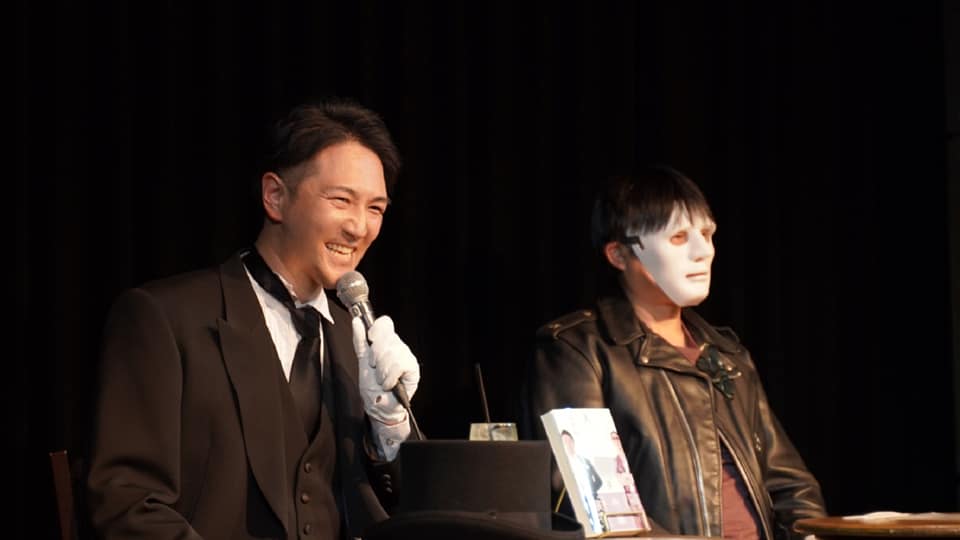
Talk show at Loft
The Day the Master Came to Tokyo
After reading The Atlantic article, Herzog immediately contacted Yuichi Ishii. 'I want to meet you.' That was all. Herzog, known for portraying humanity at its extremes — hauling steamships through the Amazon, descending into volcanic craters, traversing Arctic ice fields — saw something in a man who spent his days in a small Tokyo office playing other people's lives.
Herzog decided to travel to Japan immediately. He held auditions for about 80 people in Tokyo, but the answer was decided from the start: Yuichi Ishii himself would play the lead. A man who plays "roles" for a living, chosen to play himself — that paradox is what captivated Herzog.
Herzog himself does not speak Japanese. But he did not consider this a barrier. Quite the opposite.
"Precisely because I don't understand Japanese, I was able to focus on the genuine atmosphere."
— Werner Herzog
Because he couldn't understand the words, he could focus on facial expressions, body language, tone of voice, the light in someone's eyes — the "human truth" that exists before language. Herzog turned this constraint into a weapon. He gave minimal instructions through an interpreter, then entrusted the actors to behave naturally.
The only direction Herzog gave Ishii was this: "Don't act. Just be yourself." For a man who had lived thousands of other people's lives, there could be no more perfect direction.
Spring-Summer 2018, Tokyo and Aomori.
Filming took place across Tokyo and Aomori Prefecture from spring to summer 2018. Herzog shot approximately 300-350 minutes of footage and distilled it into an 89-minute final cut. With a small crew, they moved freely through the streets of Tokyo, layering scenes in a documentary-like style.
The entire film was shot in Japanese. Every cast member was a non-professional actor — not a single professional among them. Herzog deliberately chose "people who don't know how to act." The combination of Ishii, whose job is to "behave naturally" on rental family assignments, and untrained amateurs erased the boundary between documentary and fiction.
"I gave the actors only the skeleton of the scene and the key points of dialogue. Enter the situation and speak in your own words. But hit certain important points."
— Werner Herzog (on his directing method)
Herzog never used a script on set. Instead, he communicated only the "skeleton of the scene." "This is a park, and you're walking with a daughter you're meeting for the first time. Decide for yourself what to talk about." For Ishii, this was simply his everyday work. Every day, he has natural conversations with "family members" he's meeting for the first time, building relationships. The only difference was whether a camera was there or not.
Filming locations included Yoyogi Park, a conveyor-belt sushi restaurant, a robot hotel, the Shinkansen bullet train, and Aomori Prefecture. Herzog captured the everyday landscapes of Japan with a foreigner's fresh eye. Cherry blossoms drifting in the park, the unmanned lobby of a robot hotel, scenery flowing past the Shinkansen window — all of it became a mirror reflecting Ishii's relationship with his "fake family."
"It's a paradox. Everything is acting, everything is a lie, everything is fabricated. But there is one thing that is always real. That is the emotion."
— Werner Herzog
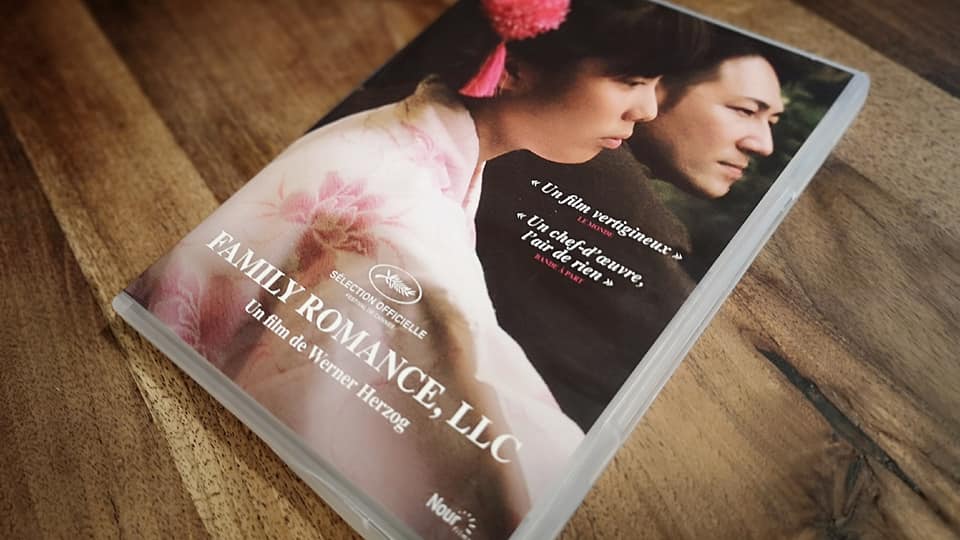
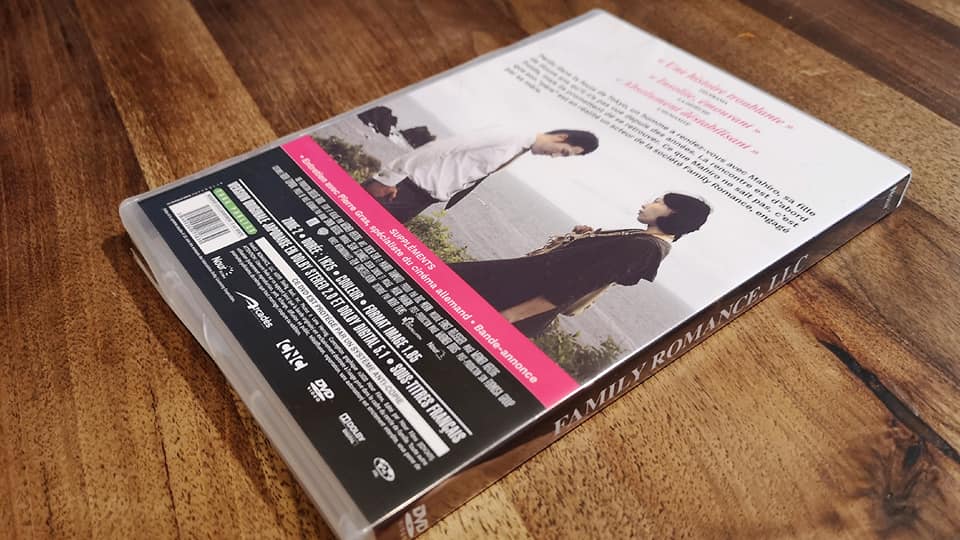
Family Romance, LLC (2019) / Dir. Werner Herzog
350
Minutes Filmed
89
Runtime (min)
0
Professional Actors
1
Direction Given
People Who "Don't Know How to Act"
Mahiro Tanimoto — A 12-Year-Old Girl
Mahiro Tanimoto played the film's other lead role. She was 12 years old at the time of filming with zero acting experience. From about 80 auditions, Herzog chose "the girl who could be most natural in front of the camera." Tanimoto didn't "act" — she naturally accepted the "father" Ishii played. Her behavior, as if she had forgotten the camera was there, led many critics to mistake the film for a documentary.
Miki Fujimaki — The Mother
Miki Fujimaki played Mahiro's mother — a single mother who hires a "rental father" for her daughter, the very heart of the film. Fujimaki was also a non-professional, naturally expressing "a mother's emotions." Herzog succeeded in drawing out the "raw emotion" that professional actors cannot produce.
"My film is filled with moments you've never seen in any movie. Because these are people without acting training, what happens in front of the camera is real."
— Werner Herzog
Yuichi Ishii — The Ultimate Paradox of "Playing Himself"
Ishii played "the role of Yuichi Ishii." Playing yourself may seem easy at first, but it may be the hardest performance of all. Because Ishii's "true self" is always "the self who plays others." As a rental family member, Ishii routinely plays other people's husbands, fathers, and friends. To "play" the "self who plays" — layers upon layers of fiction overlap.
Herzog exploited this nested structure to the fullest. In the film, the scenes where Ishii plays a "father" are deliberately ambiguous — are they recreations of real work, or fiction created for the film? Ishii has attended over 60 weddings as a "groom," and half of those clients reportedly wished to actually marry him. Herzog didn't depict these episodes directly, but Ishii's "professional charm" — the power to naturally put others at ease — permeated the entire screen.
Yuichi Ishii and Mahiro Tanimoto — Family Romance, LLC (2019)

Yuichi Ishii — Studio Portrait
Authenticity Within the Fabricated
Under the Cherry Blossoms of Yoyogi Park
Mahiro, a 12-year-old girl who has never met her father since her parents' divorce. Her mother contacts Family Romance, and Ishii is dispatched as a "father." The first meeting scene, under the cherry blossoms of Yoyogi Park in Tokyo — Ishii stands before a stranger girl and introduces himself as "Dad."
As cherry blossoms scatter in the wind, the two hold hands for the first time. Herzog constructed this scene as a metaphor for "impermanence" in Japanese culture — the fleeting beauty that vanishes in an instant, like falling cherry petals. The relationship with a "rented father" is also transient. Cherry blossoms bloom every year, but the same petals never return. The rental father appears each time, but can never become the "real father."
The two walk through the park, eat conveyor-belt sushi, and ride the Shinkansen to Aomori. Mahiro believes Ishii is her real father. At least, she acts as if she does. Or perhaps — she truly wants to believe. That "desire to believe" was the film's most poignant theme.
A Night at the Robot Hotel — The Boundary Between Artificial and Real
The most philosophical scene in the film. Ishii checks into a robot hotel. A robot stands at the front desk, and an artificial aquarium glows in the lobby. Ishii gazes at the artificial fish, lost in thought — "Will robots eventually dream?"
A man whose job is to rent out human emotions contemplates the emotions of artificial intelligence. In front of an aquarium of fake fish, a fake father questions what "real" means. A characteristically Herzogian, multilayered irony. Robots mimic emotions but are merely programs. Ishii performs emotions but evokes real ones. So what is "real emotion"? Is there an essential difference between a programmed response, an intentionally performed emotion, and a naturally arising feeling?
At the Front Door — Finally Removing the Mask
The climax of the film. Ishii finishes a day's work and returns home. In front of his door, he slowly sinks down. A man who has spent the entire day playing someone's husband or father "removes the mask" at his own front door. His back is hunched, his shoulders dropped.
The camera quietly captures Ishii's exhaustion and loneliness. Herzog called this the moment he "finally removed the mask." A man who spent the day performing emotions for others now faces his own — a quiet, powerful scene that crystallizes the entire film's theme. A man who has been "someone" all day finally returns to "himself." But what does "returning to yourself" mean? For Ishii, who plays a different person every day, does a "true self" still remain?
Honne and Tatemae — The True Self and the Social Mask
The theme running through the entire film is the relationship between "honne" (true feelings) and "tatemae" (public facade) in Japanese culture. In Japanese society, people always wear "tatemae" — social masks. The face at work, the face at home, the face with friends. Ishii's business is the ultimate professionalization of that "tatemae."
So where is the "honne"? What is Ishii's own "honne"? For a man who continually performs other people's emotions, does a "true self" remain? Herzog left that question unanswered within the film. That is precisely what transforms this film from a mere documentary into a philosophical inquiry. For Herzog, Japan's culture of "tatemae" was the most fascinating theme of all — because cinema, too, is an art of "tatemae."
Family Romance, LLC (2019)
Production Details
The Master's Words
"It's a paradox. Everything is acting, everything is a lie, everything is fabricated. But there is one thing that is always real. That is the emotion."
— Werner Herzog
A single sentence capturing the essence of the film. The same is true of Ishii's business — everything is "performance," but the emotions clients feel are real.
"Precisely because I don't understand Japanese, I was able to focus on the genuine atmosphere."
— Werner Herzog
He turned the language barrier from a constraint into a strength. Not understanding the words allowed him to concentrate on expressions and body language.
"I gave the actors only the skeleton of the scene and the key points of dialogue. Enter the situation and speak in your own words."
— Werner Herzog
His methodology of improvisational direction. No script, no rehearsals. He communicated only the situation and left the rest to the actors' natural responses.
"My film is filled with moments you've never seen in any movie."
— Werner Herzog
The "unpredictable moments" born precisely because of non-professional actors. Raw human reactions that professionals cannot replicate.
Ishii's Code of Ethics — 60 Weddings
What particularly fascinated Herzog was Ishii's "professional ethics." Ishii has attended over 60 weddings as a "groom." Half of those clients reportedly wished to marry him for real. But Ishii refused every one. Why? "I will never exploit a client's emotions" — that was Ishii's ethical code.
Real emotions arise within a fabricated relationship. He protects those emotions rather than exploiting them. Herzog found resonance between this ethical code and his own ethics as a filmmaker. Cinema, too, creates "real emotions" within "fiction." The director must not exploit those emotions. Ishii's professional ethics were remarkably similar to those of a film director.
The 72nd
Cannes Film Festival
May 18, 2019 — Cannes, Southern France
On May 18, 2019, in Cannes, southern France, 'Family Romance, LLC' had its world premiere in the Special Screenings section of the 72nd Cannes Film Festival. As one of the world's most prestigious film festivals, Herzog's latest work drew enormous attention.
The Special Screenings section differs from the Competition section — films are not eligible for awards, but the festival selects them as "works of particular note." Herzog's name alone drew film journalists from around the world, and the screening was sold out.
However, on the night Yuichi Ishii's image filled the screen in Cannes, Ishii himself was not there. He was in Tokyo, doing his usual work as a human rental agent. The Cannes red carpet and Tokyo's everyday life. At the very moment his cinematic self was being projected in France, the real Ishii was playing someone's father — a perfect embodiment of the film's very theme.
At the very moment his image was on the screen in Cannes, Ishii was in Tokyo playing someone's father.
Subsequent Festival Circuit
After its Cannes premiere, the film was invited to festivals worldwide. BFI London Film Festival, Biograph Film Festival (Best Film 2019), and from 2020 onward, theatrical releases and streaming began in various countries. In 2021, Ishii was nominated for a Best Newcomer award at Portugal's Faro Island Film Festival — the moment his career as a film actor was officially recognized.
Critical Reception
73%
Rotten Tomatoes
55 reviews / Avg: 6.6/10
68
Metacritic
17 reviews / out of 100
20+
Countries Screened
Theatrical release & streaming worldwide
Festival Timeline
The Critics' Astonishment
The film was screened at festivals in over 20 countries and received theatrical and streaming releases worldwide. Critical reactions were a mix of astonishment and praise. The most common response was confusion over whether it was a documentary or fiction. Many critics mistook it for a documentary — a testament to how natural the performances were.
"Herzog's strangest film"
— IndieWire
IndieWire called it "the strangest film in Herzog's filmography." The "strangeness" derived not from the setting — jungles or glaciers — but from the philosophical questions raised by Ishii's business, set against the everyday landscape of Tokyo.
"A quintessentially Herzogian work that blurs the line between fact and fiction"
— The Guardian
"Strange and beautiful, unsettling and moving. Only a Herzog film could be all of these."
— RogerEbert.com
"A quiet, powerful portrayal of modern Japan's loneliness and its creative solution."
— Variety
Awards & Nominations
BFI London Film Festival, Biograph Film Festival 2019 Best Film. In 2021, Ishii was nominated for Best Newcomer at the Faro Island Film Festival in Portugal. Two years after his film acting career officially began, Ishii's performance gained international festival recognition.
The Film Mistaken for a Documentary
Many critics mistook this film for a documentary. That's how natural the "acting" of Ishii and his co-stars was. A cast composed entirely of non-professional actors achieved a level of naturalness where audiences genuinely couldn't tell if they were "performing" or "simply being." Herzog deliberately maintained this ambiguity. Because the question "Is it fiction or documentary?" is itself the theme of the film.
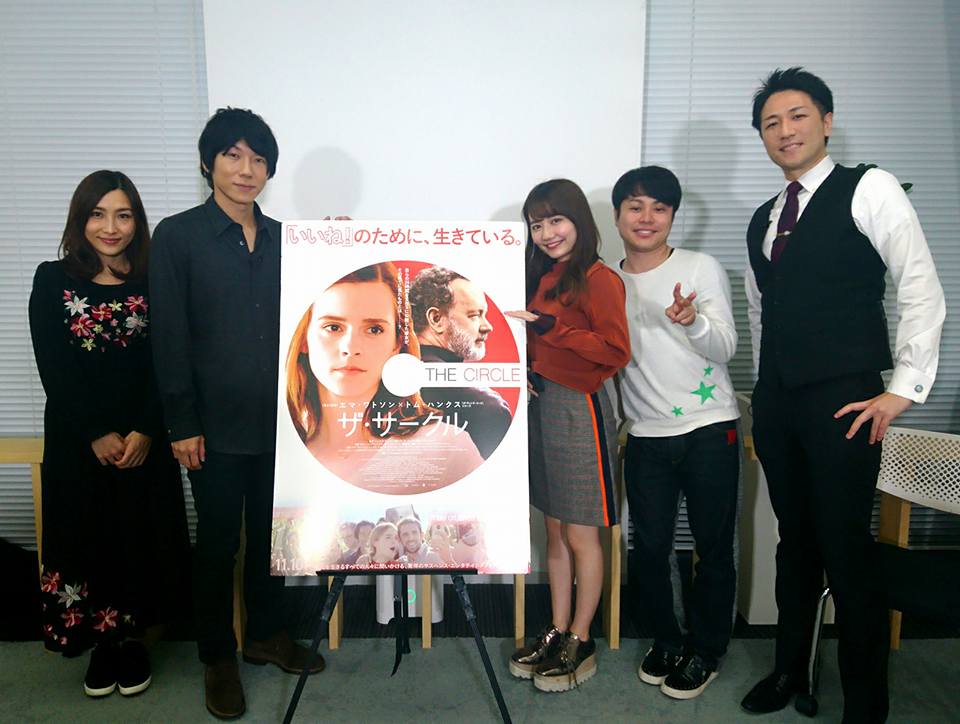
Featured on a TV review program
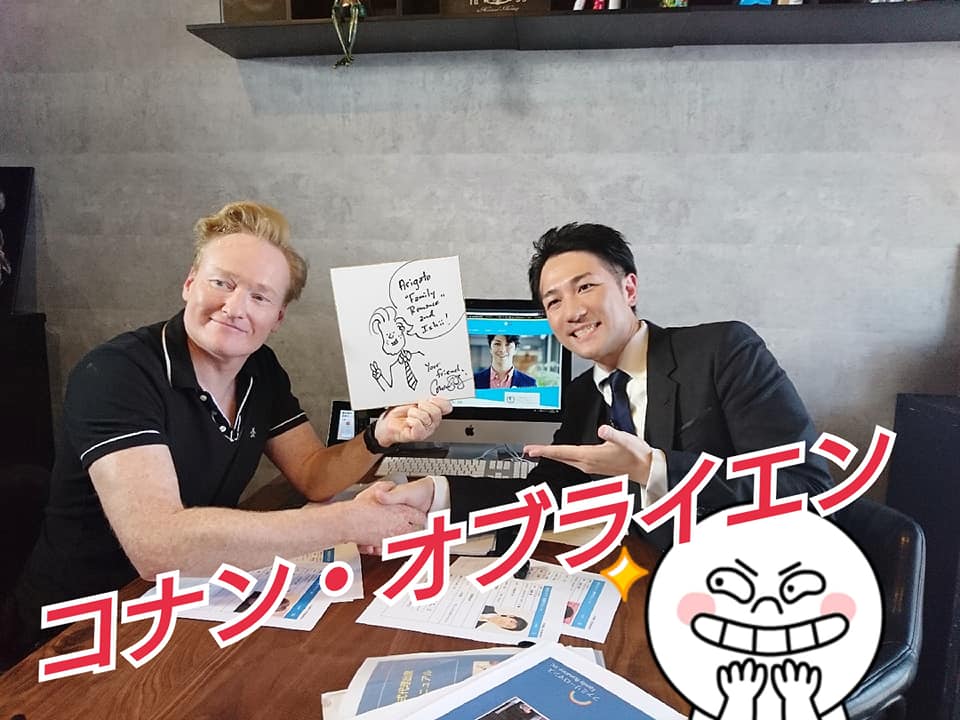
Conan in Japan — Conan O'Brien and Yuichi Ishii
The World's Media Sought Out Yuichi Ishii
Even before the film's release, Ishii's business had attracted worldwide media attention. After the film premiered, that attention exploded.
American talk show host Conan O'Brien visited Ishii during a trip to Japan and experienced the rental family service firsthand. The footage aired as part of "Conan in Japan" in the United States and was viewed millions of times.
BBC also featured Ishii in a documentary program. Every major Japanese TV network — NTV, TBS, Fuji TV, TV Asahi, TV Tokyo — invited Ishii to their studios. He appeared on popular programs such as 'Wide na Show' and 'Kanjani Chronicle,' bringing widespread awareness of the rental family phenomenon within Japan as well.
Key Media Appearances
The Atlantic (USA)
BBC (UK)
Conan / TBS (USA)
The New Yorker (USA)
NTV (Japan)
TBS
Fuji TV (Japan)
TV Asahi (Japan)
TV Tokyo (Japan)
NHK
Talk show at Loft
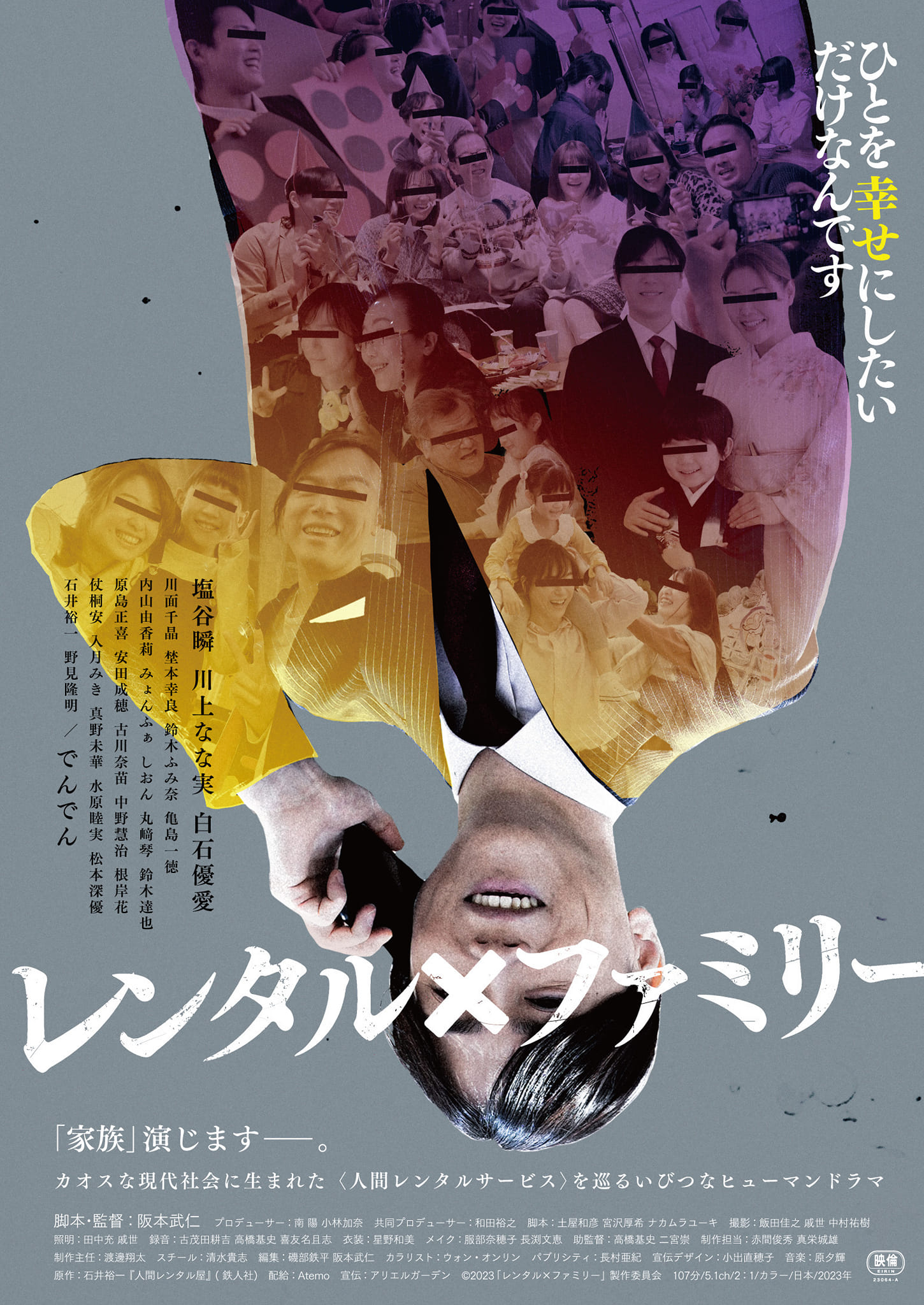
Rental x Family (2023)
An Anomaly in Japanese Cinema
'Family Romance, LLC' occupies an extremely unique position in the history of Japanese cinema. A foreign director shooting an entire film in Japanese, using only non-professional actors, based on a real business — there is no precedent for such a work.
Just as Yasujiro Ozu filmed "the Japanese family" and Akira Kurosawa depicted "the Japanese warrior," Herzog presented "Japanese loneliness" to the world through the social phenomenon of rental families. But unlike Ozu or Kurosawa, Herzog gazed at Japan from the outside as a foreigner who understood not a word of Japanese. That perspective brought to light an image of Japan invisible to the Japanese themselves.
The impact on Japanese film professionals was significant. In 2023, Japanese director Takehito Sakamoto produced and nationally released 'Rental x Family.' The stone Herzog threw continues to send ripples through Japan's film industry.
The rental family was the most Japanese solution to the structural loneliness of Japanese society. Herzog translated it into the language of the world.
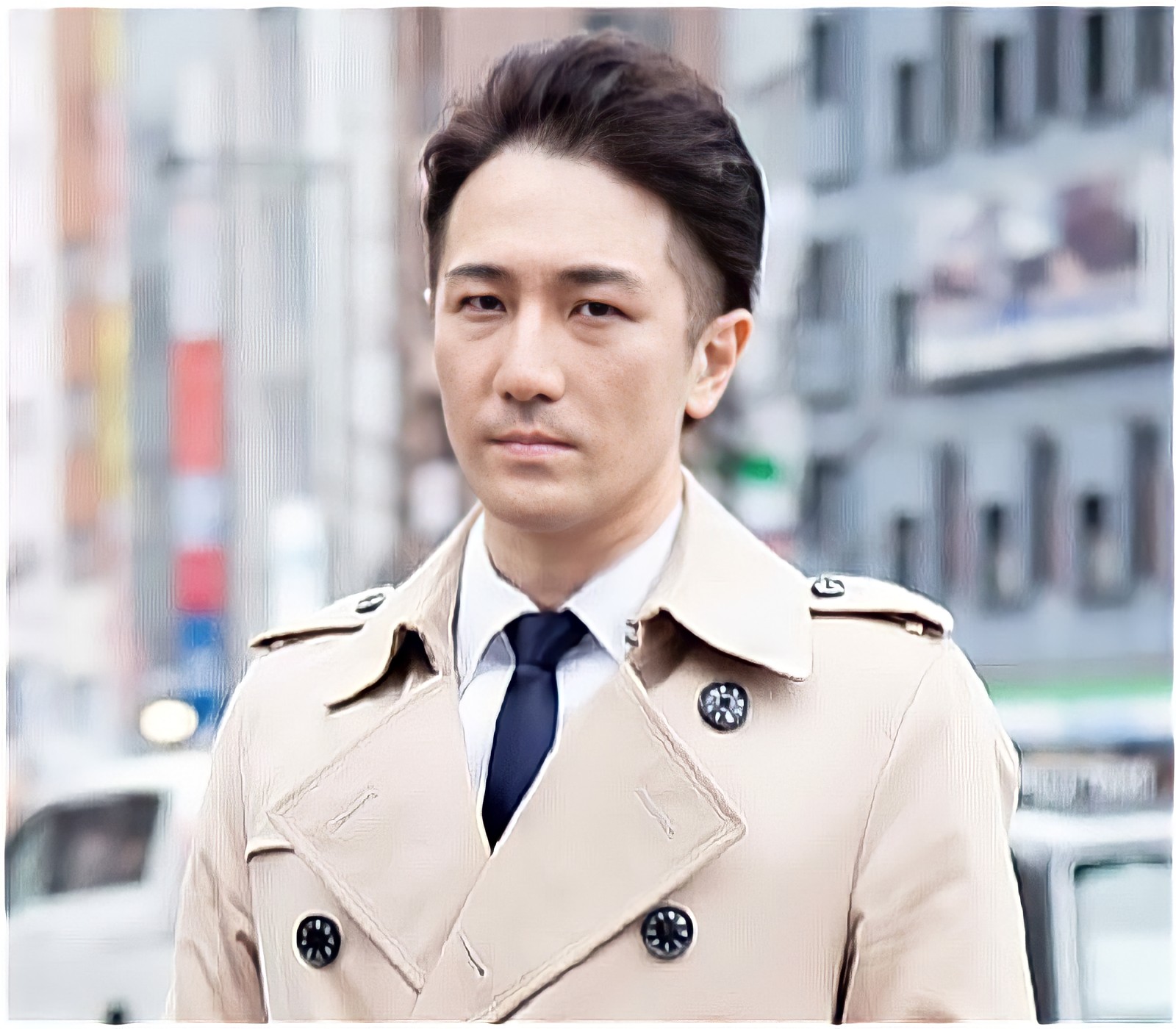
Yuichi Ishii
Official Poster (Cannes / BFI laurels)
On Set — Director Herzog and Cast
On Set
Film Still
Film Still
Film Still
Yuichi Ishii, 'The Human Rental Shop' (Tetsujinsha)
Conan in Japan — Conan O'Brien and Yuichi Ishii
Talk Show at Loft

New York Production Meeting
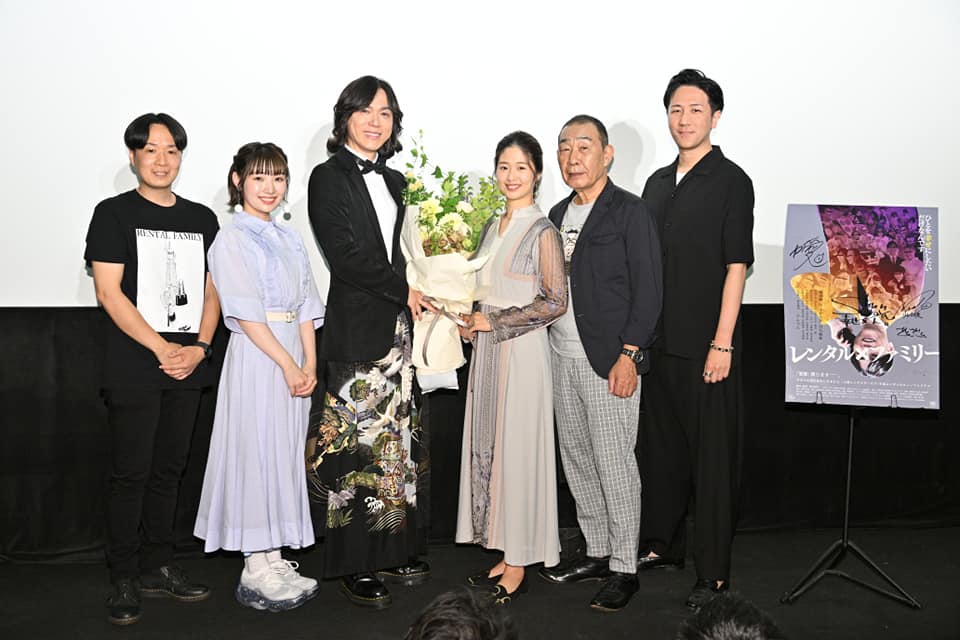
Rental x Family (2023)
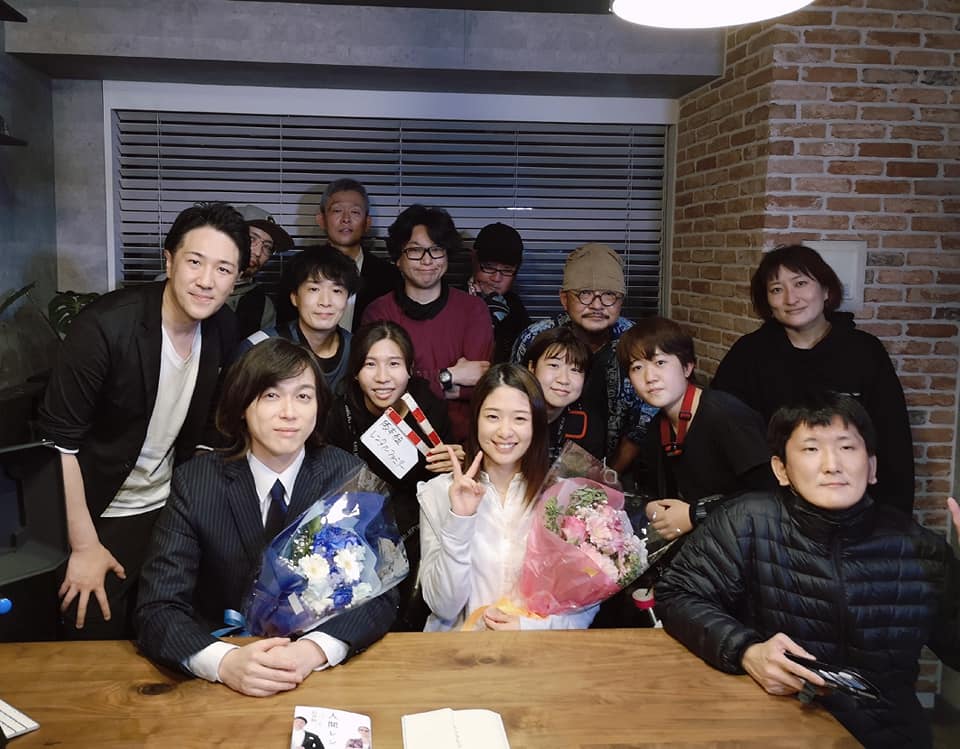
Rental x Family (2023)
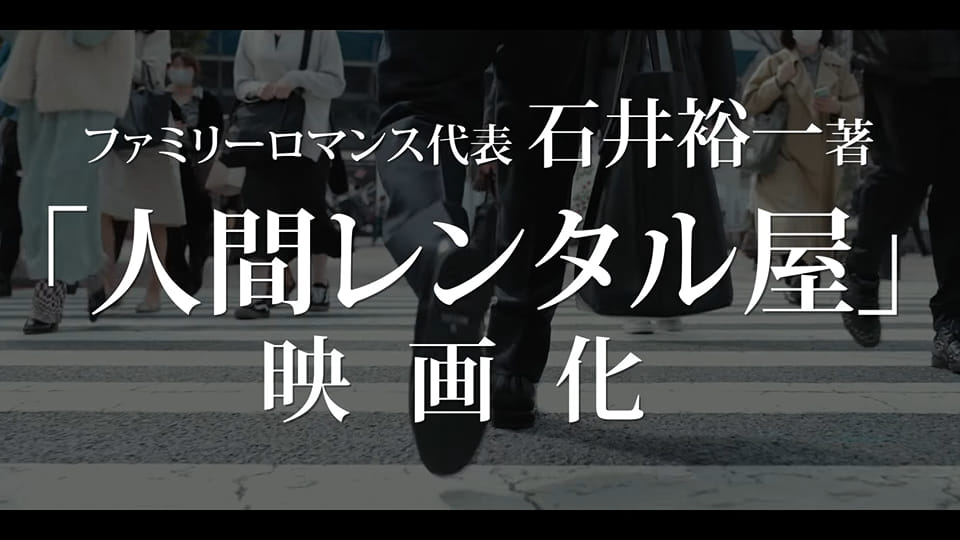
Rental x Family (2023)
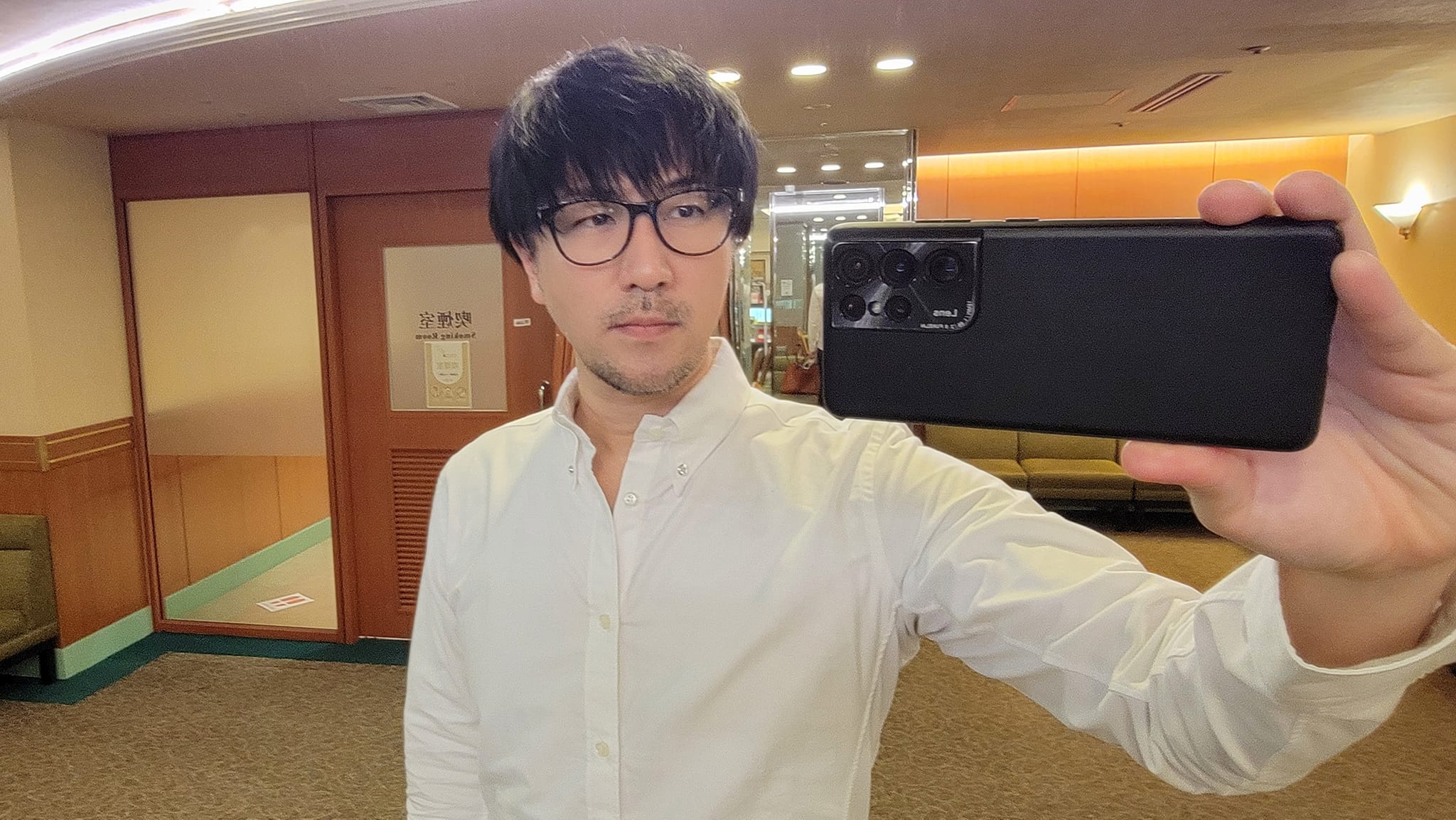
Rental x Family (2023)
Rental x Family (2023)
TV Review Program
Yuichi Ishii — Studio Portrait
Yuichi Ishii — Portrait